Webb data used to test whether Little Red Dots are primordial black holes
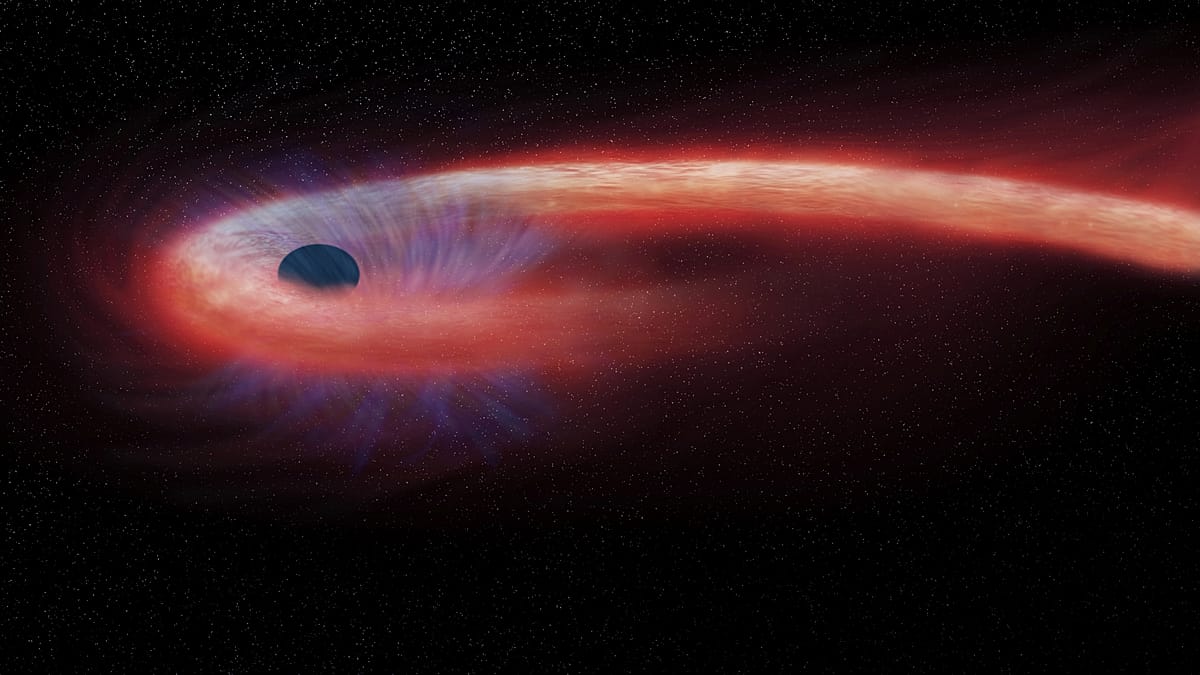
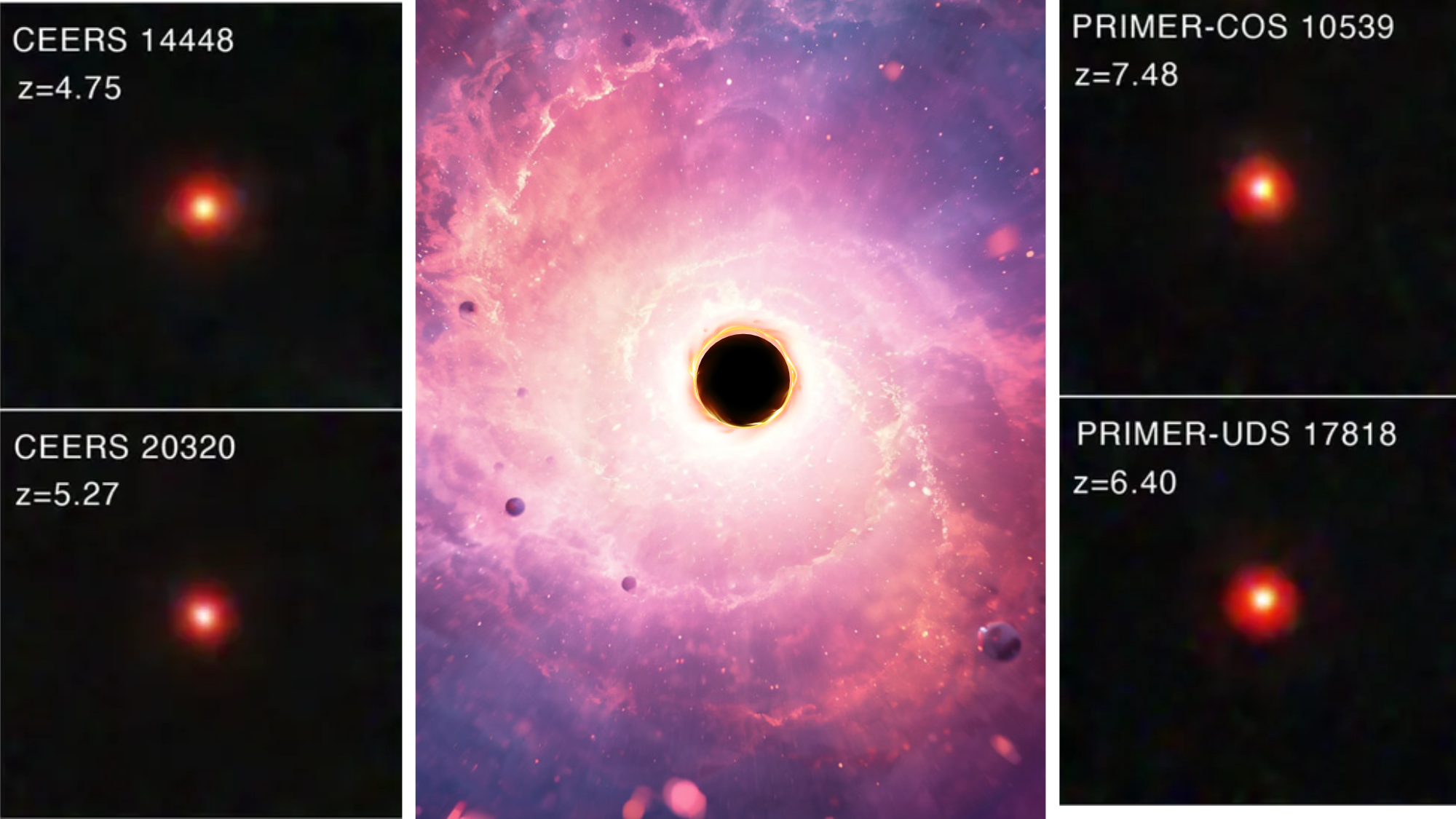
Johns Hopkins researchers modelled whether one early-universe Little Red Dot, QSO1, could have grown from a black hole born just after the Big Bang.
Science, discoveries and how the world works. · 644 articles

Johns Hopkins researchers modelled whether one early-universe Little Red Dot, QSO1, could have grown from a black hole born just after the Big Bang.

A microbe called Haloferax volcanii multiplied under Mars-like salty, oxygen-free conditions during a 160-day experiment, according to reports.

A study reported by Medical Xpress suggests theta waves that are well-timed and reach widely across the brain help organize cognition.

Phys.org reports that NASA's Chandra X-ray Observatory may have found what drives a massive star's repeated eruptions, which mimic a supernova.

Phys.org reports that atomic defects in a quantum material produce recognizable optical fingerprints, offering a possible way to identify them.

Recent neuroscience discoveries reveal the human brain isn't what we thought. From hidden drainage systems to editable memories, here's what science just found out.

Phys.org reports the Southern Ocean played a role in fueling the warmest climate Earth has seen in 65 million years.

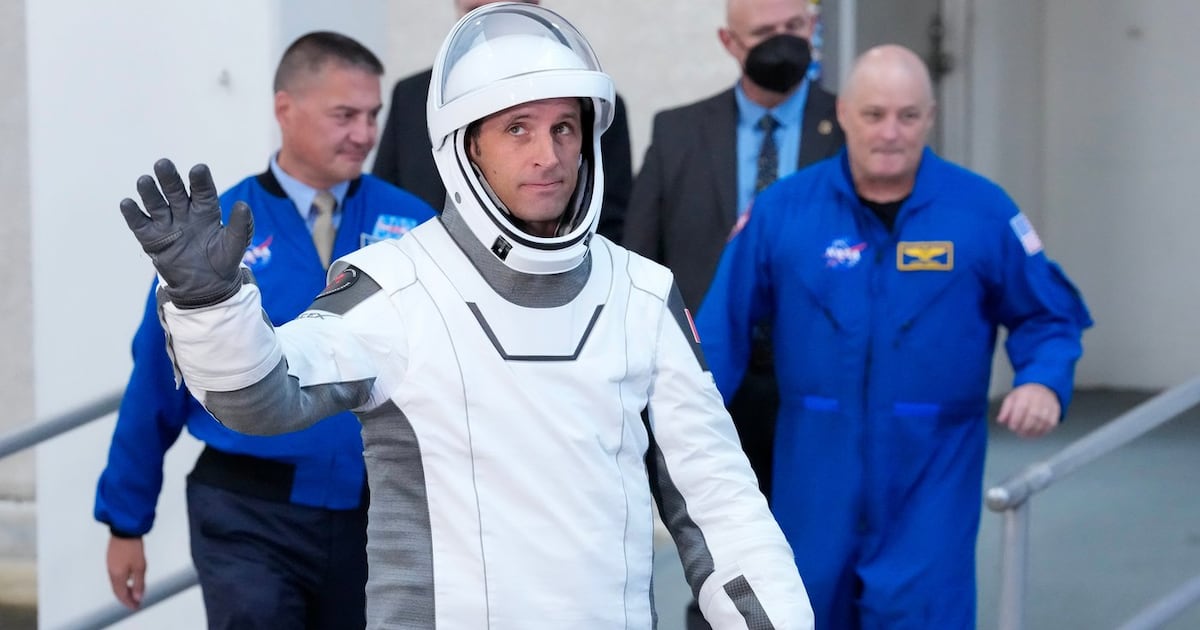
Astronaut Joshua Kutryk told CTV News from orbit that he is having the best experience of his life, according to the broadcaster.

Phys.org reports a levitated magnet has reached the highest spin rate yet recorded, a step toward experiments probing dark matter.

The Canadian Space Agency has issued a request for information to map domestic capabilities across the lunar microreactor supply chain.

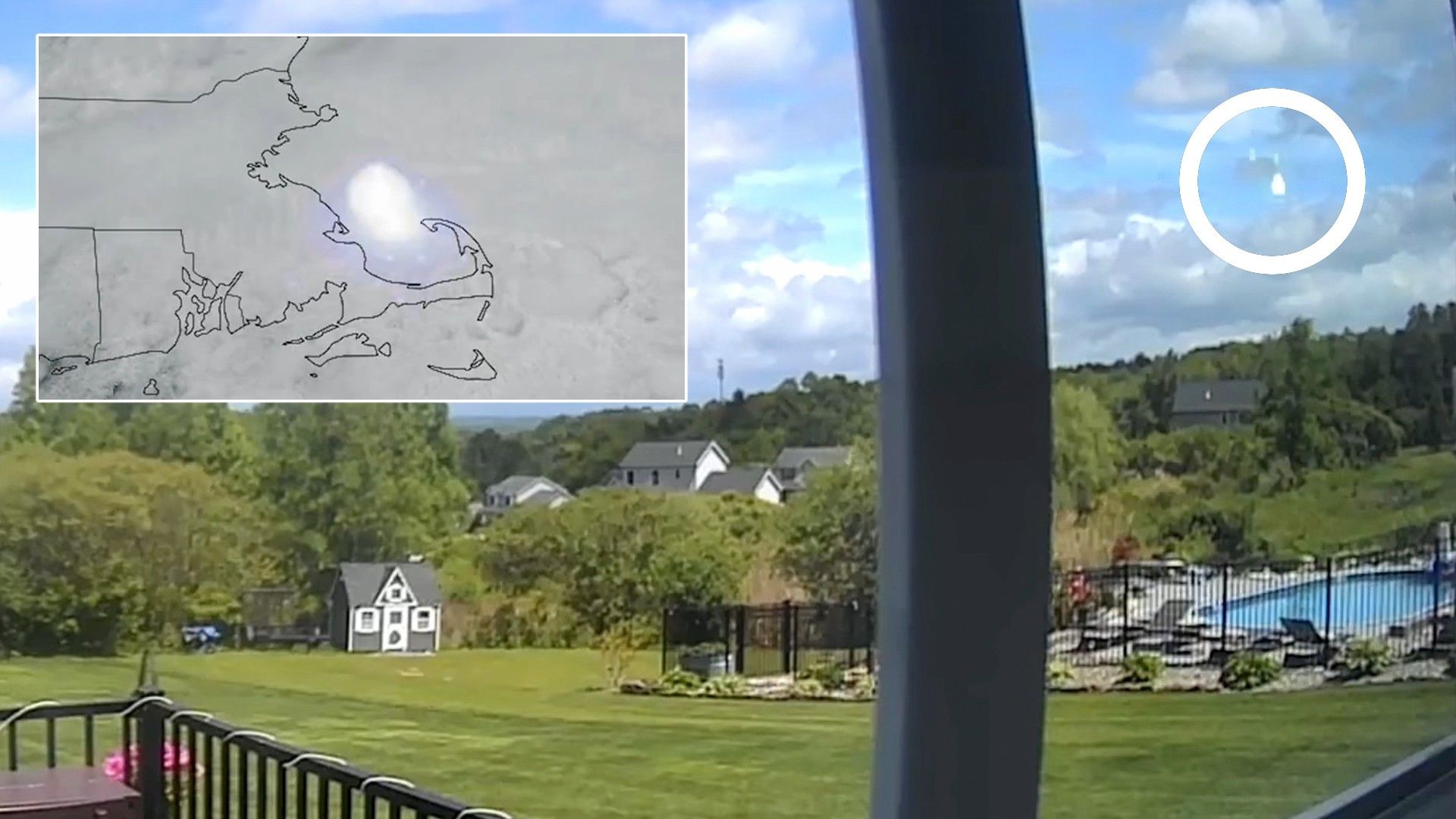
Radar, infrasound and camera data let researchers reconstruct the May 2026 bolide's path and link its elongated orbit to a close pass by Jupiter.

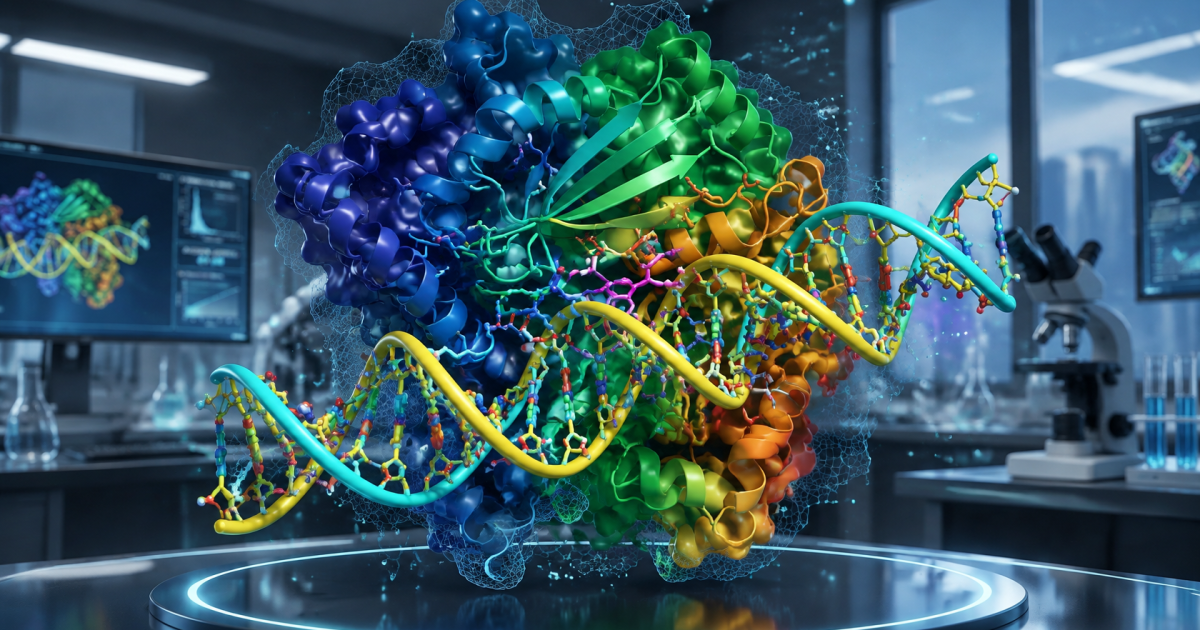
Al Jazeera reports that generative AI is shifting synthetic biology from prediction to design, while raising dual-use concerns over drug discovery and bioweapons.

RTE.ie analysis says Ireland's farm, brewing and timber waste could feed a bioeconomy projected to be worth trillions annually by 2050.

A deep-learning system called WorldParticle predicts how particles move across many materials, aiming to replace hand-coded simulators, WebWire reports.

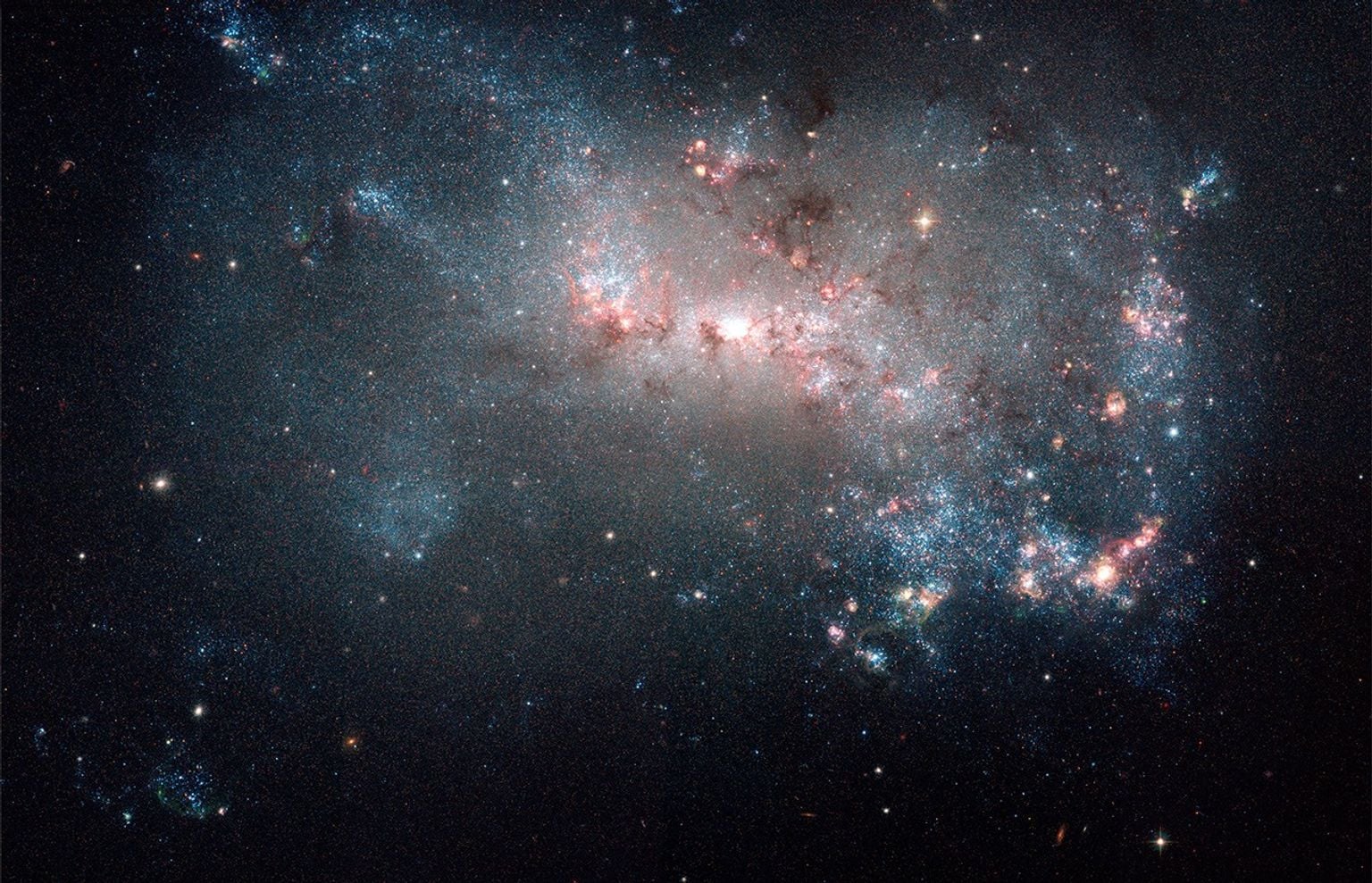
Researchers using Hubble data report that low-mass galaxies keep roughly 15 percent of the oxygen their stars produce, with the rest driven outward.

A Chinese researcher argues that in many theoretical universes, the structure of spacetime forbids loops back to your own past.

A University of Jinan researcher says the geometry of most universes forbids loops into the past, though two narrow loopholes remain.

A Jinan University researcher says geometry rules out journeys into the past across many theoretical spacetimes, leaving only two narrow loopholes.

A living ecosystem was just discovered inside volcanic rock beneath the seafloor. Here's what scientists found—and why it changes everything.

A Universitas Muhammadiyah innovator has developed food packaging that pairs cellulose with PVA, Kompasiana.com reports.

Gas appearing above fresh fissures on Mars points to a buried magma system that may still be releasing vapours, researchers report in Science Advances.

Quantum computing just crossed a major milestone in error correction. Here's what it actually means for your privacy, health, and money—minus the hype.

Columbia and Chilean researchers say gravitational fields may undergo a reconnection process that transfers energy from gravity into matter.

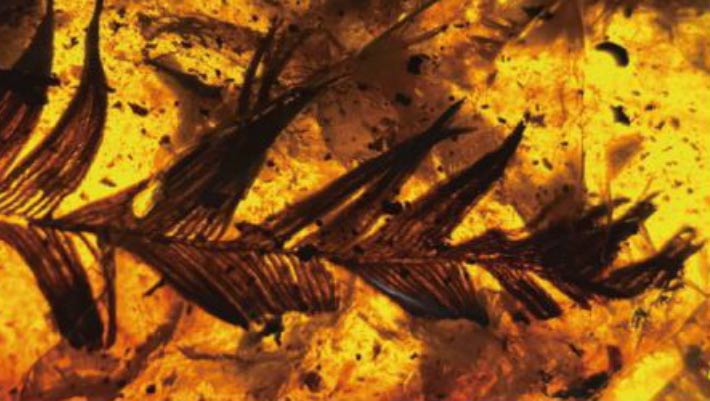
A 99-million-year-old feather preserved in Burmese amber is the longest of its kind ever described, revealing how flight feathers evolved in stages.
Page 1 of 27