
Science
Four Supermoons in a Row to Begin With Monday's New Moon, Forbes Reports
Forbes says a run of four supermoons starts with Monday's new moon, with November's Beaver Moon among the highlights for skywatchers.
Damilola Adeyemi · 7 Nov 2026158
Science, discoveries and how the world works. · 644 articles
Forbes says a run of four supermoons starts with Monday's new moon, with November's Beaver Moon among the highlights for skywatchers.
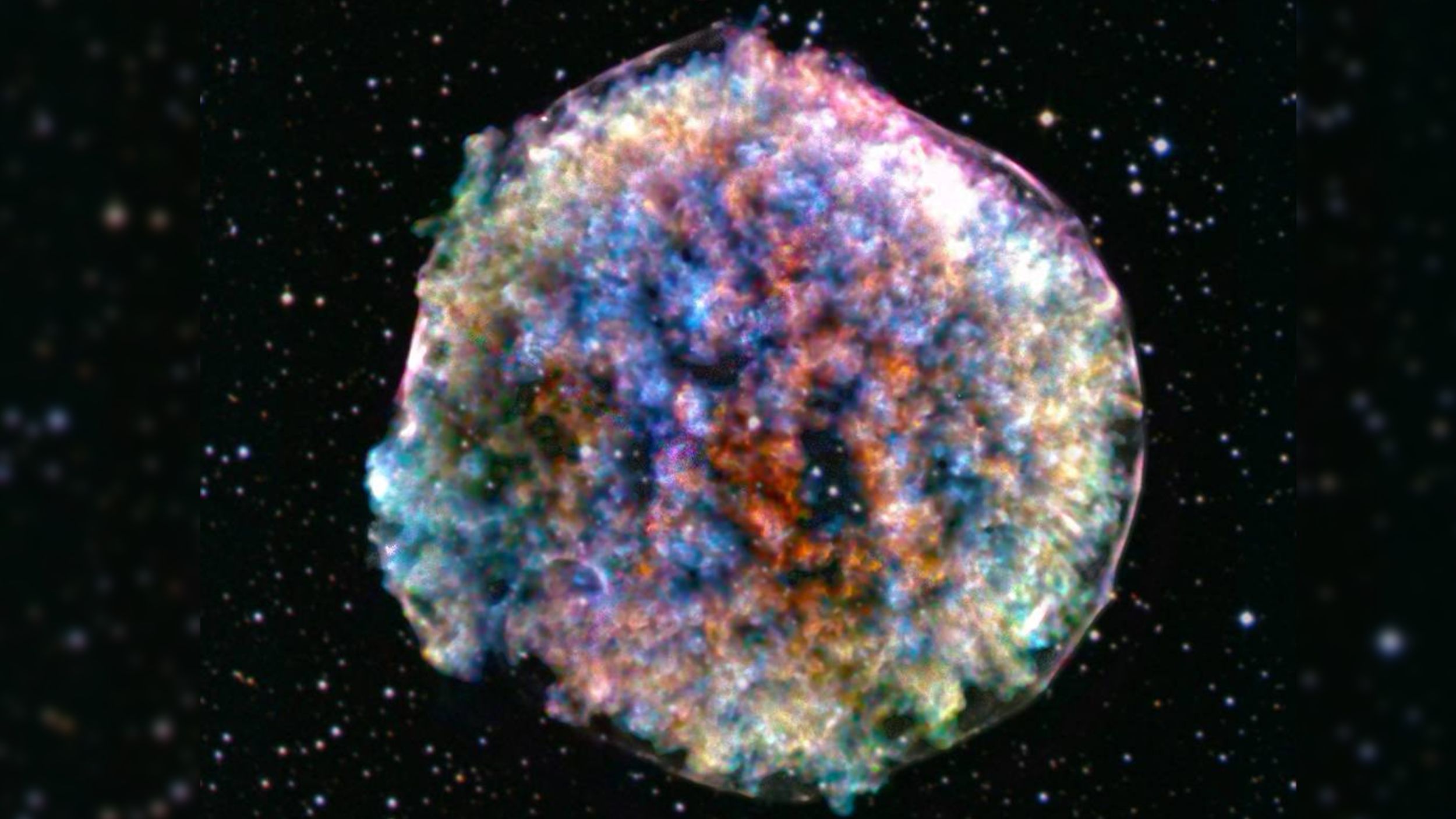
A German astronomer saw the supernova first with his naked eye, yet the Danish nobleman's detailed study gave the "new star" its lasting name.

A new platform called SynFit reportedly helps scientists optimize several enzyme properties at once rather than one at a time.

A Protein Science review from Howard University's Quantum Biology Laboratory argues the field is shifting toward whole-living-system studies.
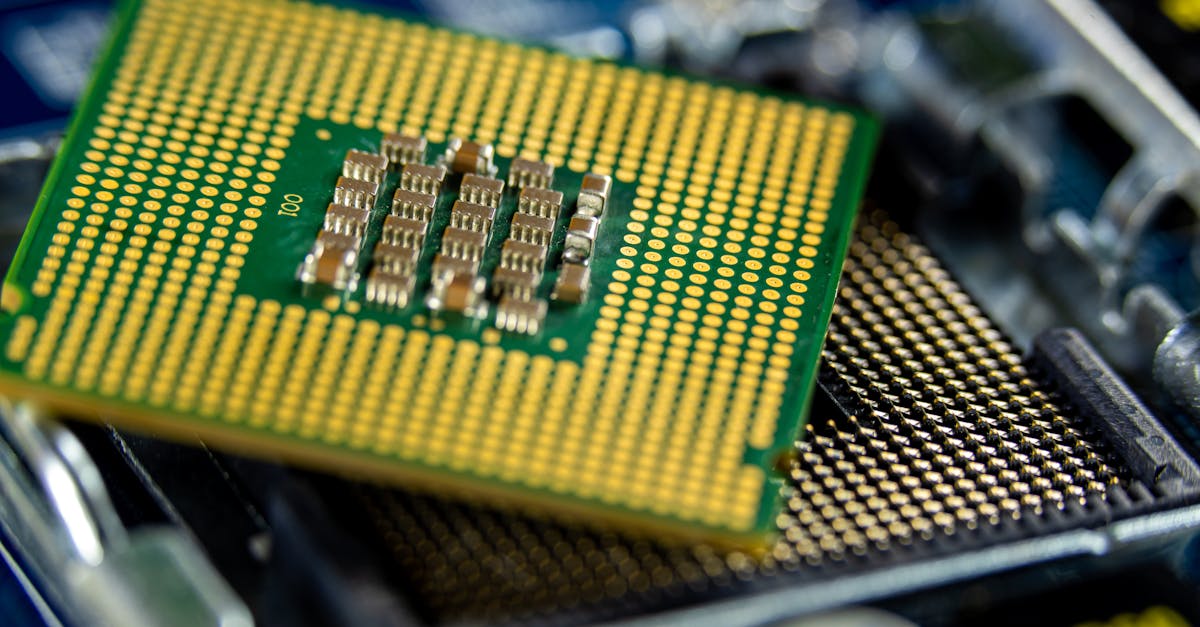
Error correction just crossed a line that changes everything — and it could rewrite physics itself. Here's what the headlines missed and why it matters now.

NASA's Swift space telescope has fallen back to Earth after more than two decades in orbit, according to reports citing the space agency.
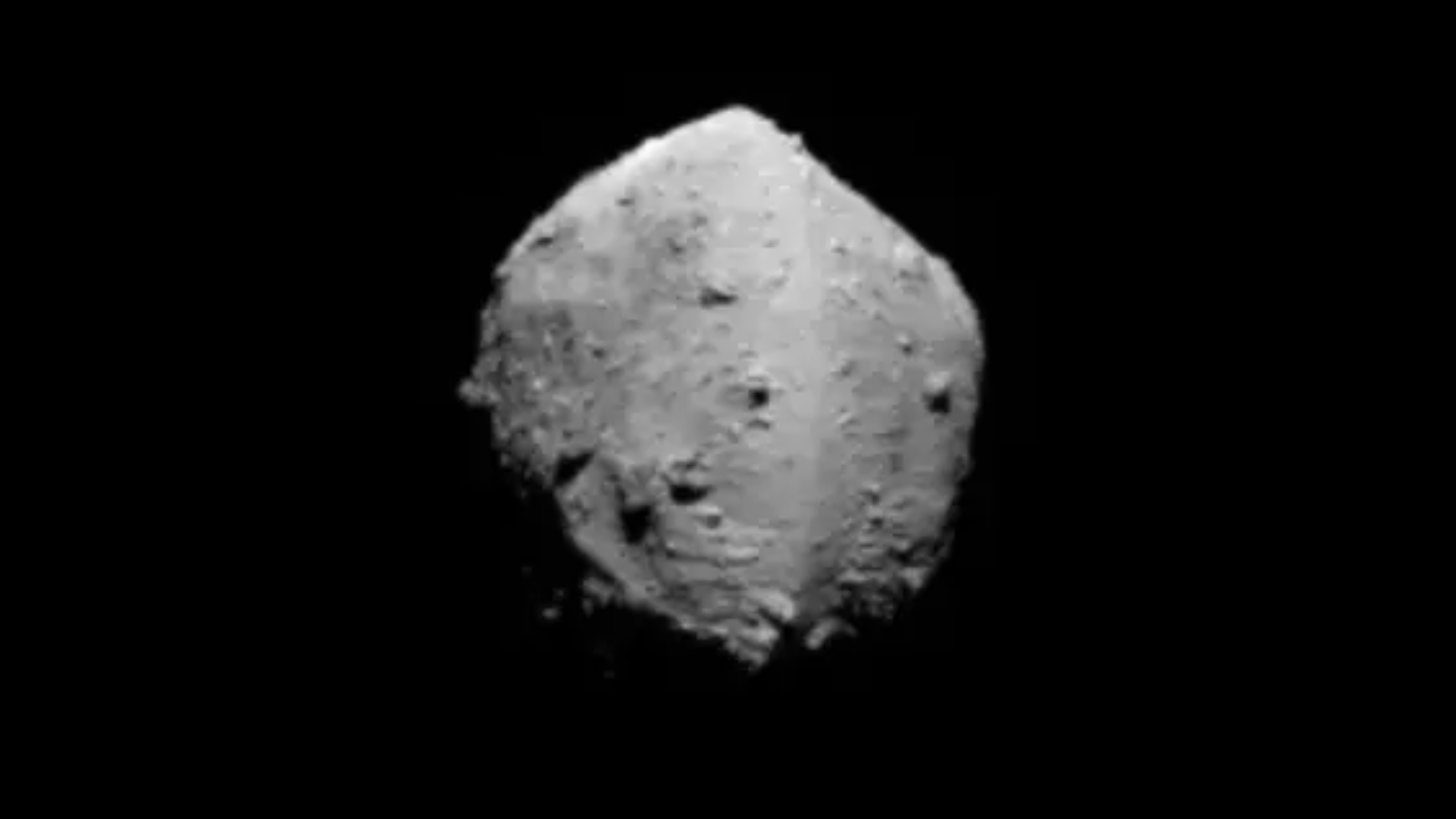
ESA's Hera spacecraft has returned its first detailed image of the Didymos asteroid pair, the target of NASA's 2022 DART impact test.
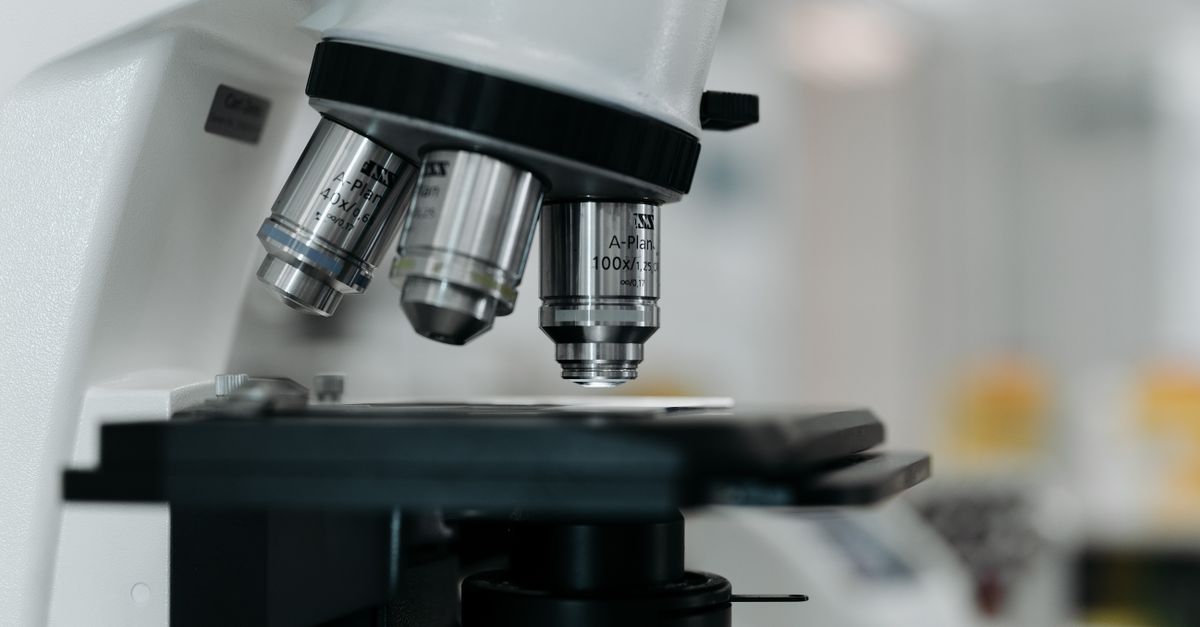
Phys.org reports a new 3D microscope that brings several imaging tools together in one system, though full details of the work are not yet available.
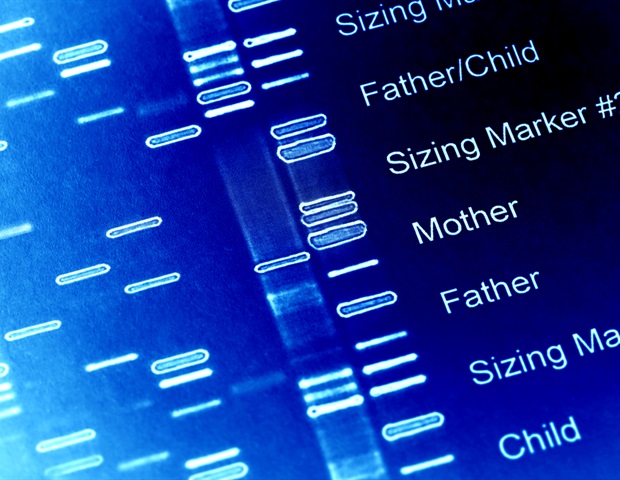
News-Medical reports that new genomic tools are improving how rare DNA changes are detected, though details of the methods were not disclosed.
News-Medical reports new genomic tools can better identify rare DNA changes, though details of the methods and findings were not disclosed.

Forbes reports NASA will explore a giant hole on the Moon, while New Scientist says a robot named GIMLI will survey a lunar cave for a future base.

Interoception is the hidden sixth sense scientists just confirmed. Here's how your body reads internal signals—and how to train it.
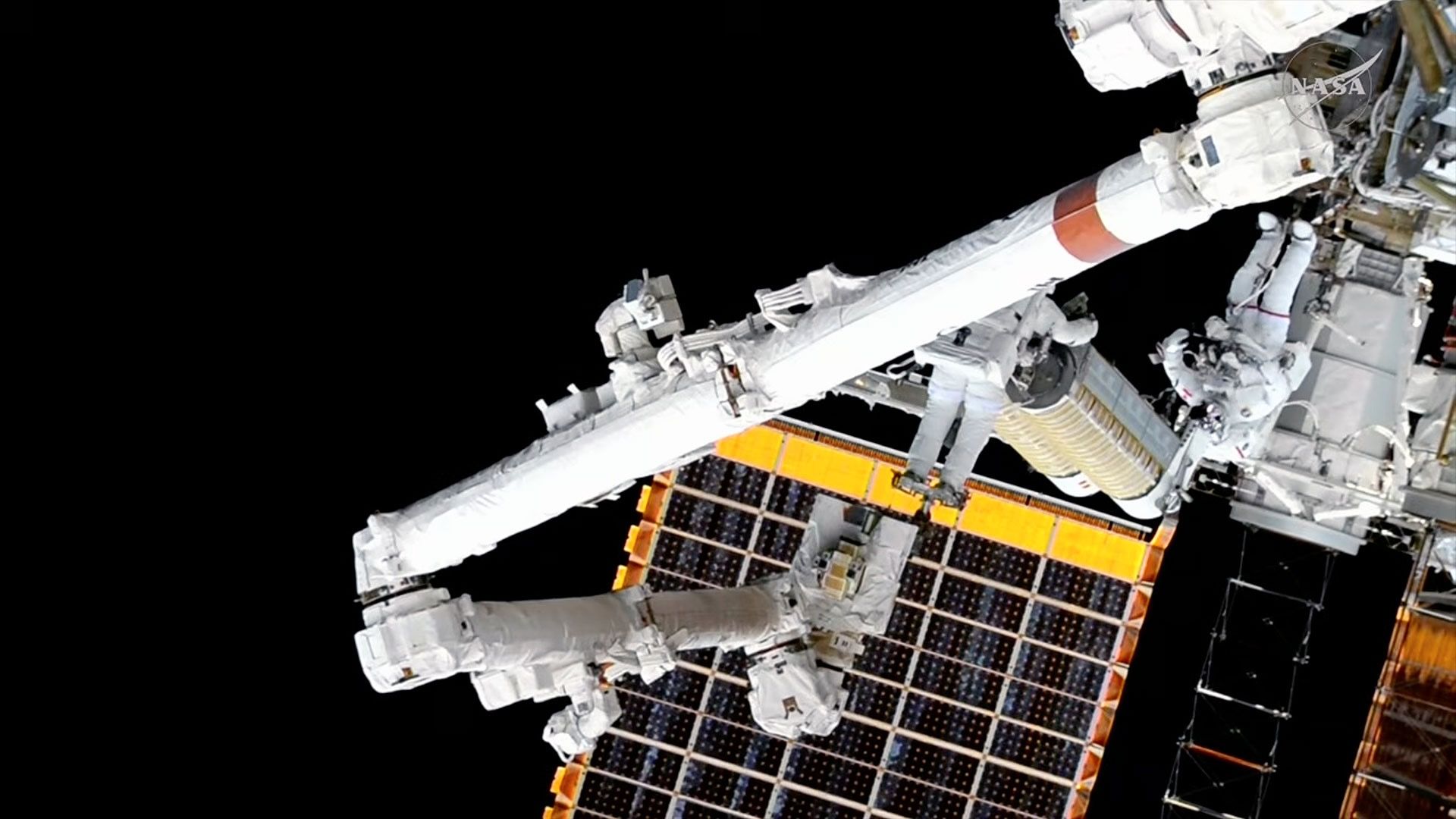
NASA's Anil Menon and the Canadian Space Agency's Joshua Kutryk installed the eighth and last roll-out solar array during a spacewalk on Nov. 5.
NASA's Anil Menon and the Canadian Space Agency's Joshua Kutryk installed the eighth and last iROSA during a spacewalk on Nov. 5, 2026.

A landmark study reversed aging in mice using epigenetic reprogramming. Here's what it really means for humans—and the uncomfortable question nobody's asking.
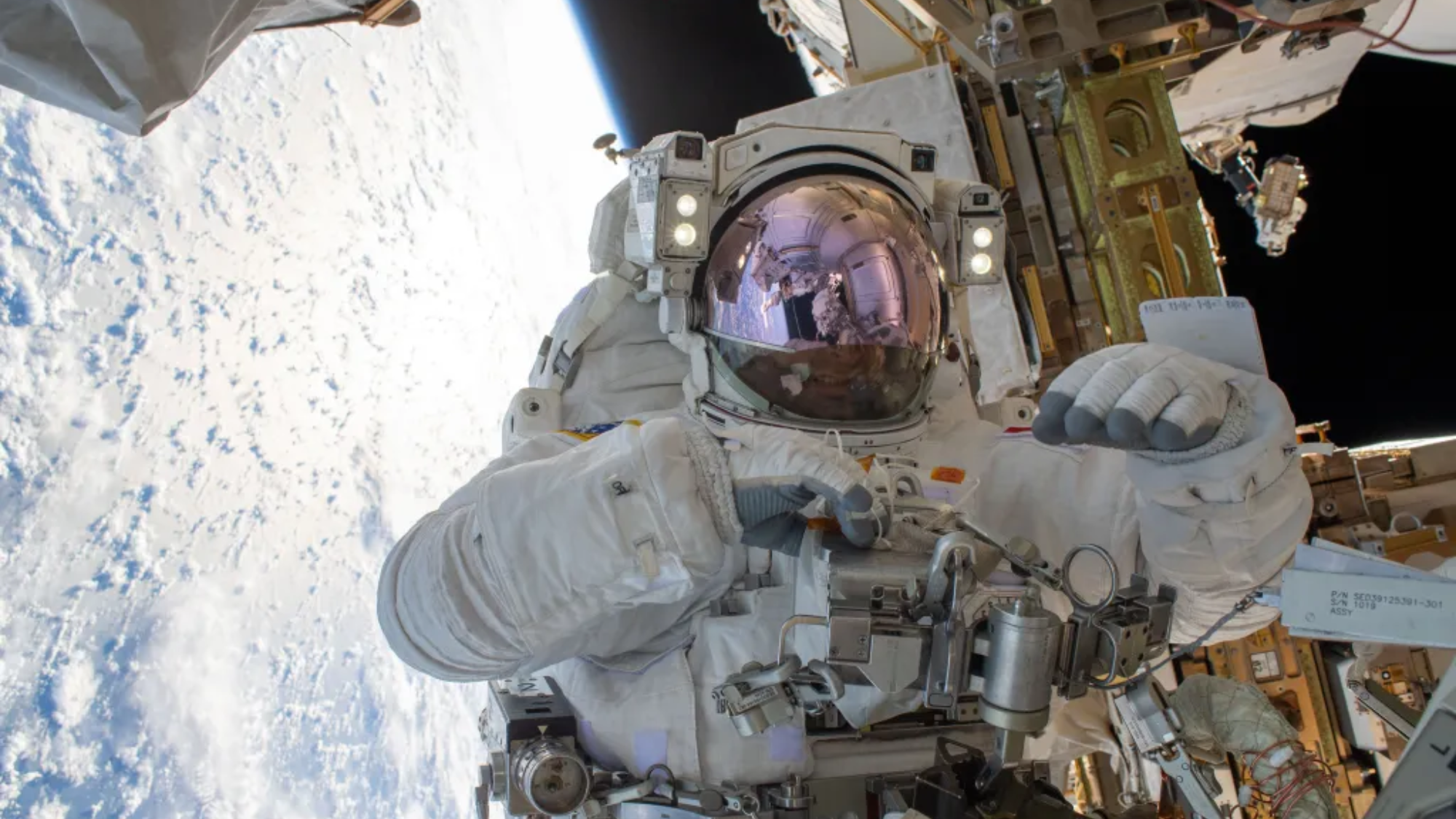
Joshua Kutryk paused during an Oct. 29 spacewalk to photograph himself with Earth in the background, ahead of a Nov. 5 excursion to finish solar array work.
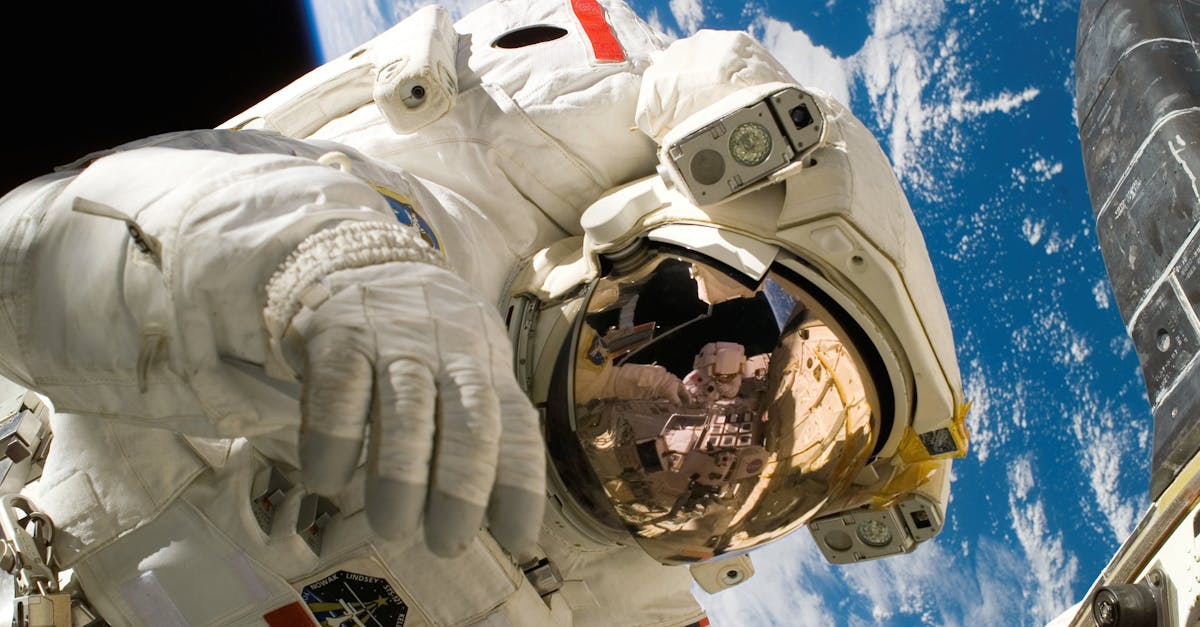
NASA's Swift telescope has re-entered Earth's atmosphere months after a robotic rescue attempt failed, according to Phys.org.

New research on the homework debate reveals why less might actually be more—and what it means for your kid's sleep, stress, and success.
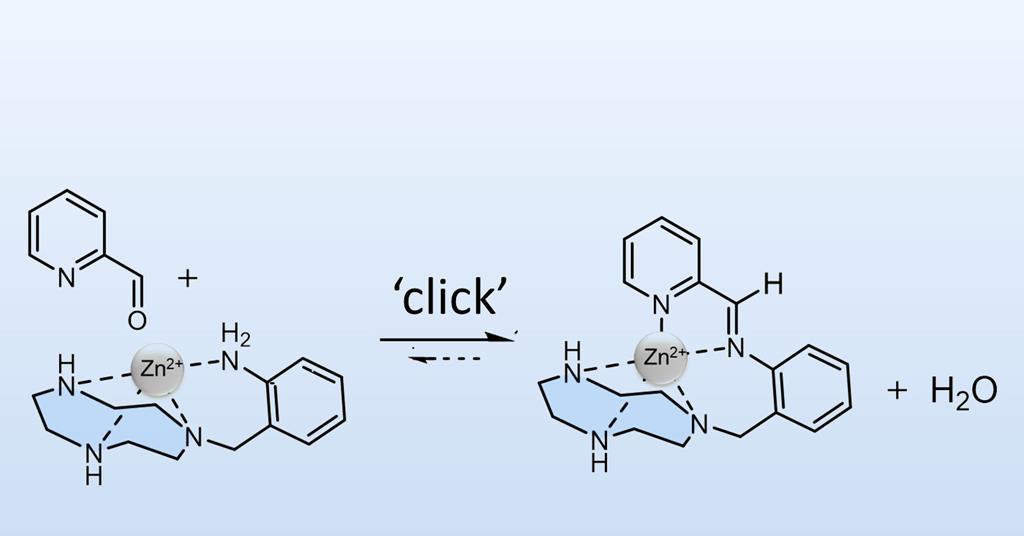
Researchers in Padova used a zinc-TACN complex to build stable imine bonds in water within two hours, even in E. coli cell lysate, Chemistry World reports.

Phys.org describes an endangered Hawaiian bird that bores into trees to find food, likening its versatility to a Swiss Army knife.

Kutryk and NASA's Anil Menon will install the last of eight new solar arrays on the station's truss, two weeks after completing seven of them.

National Museums Scotland and forensic anthropologist Christopher Rynn have reconstructed the face of a man buried near a Roman fort in Scotland almost 2,000 years ago.

A European orbiter has traced seasonal hydrogen chloride over Mars's Alba Mons to surface fractures, hinting at magma still cooling underground.

Experts in Guangxi's Dayaoshan reserve used drones and tree radar over three months to assess and reinforce four rare silver firs, including the "Silver Fir King."
Page 3 of 27