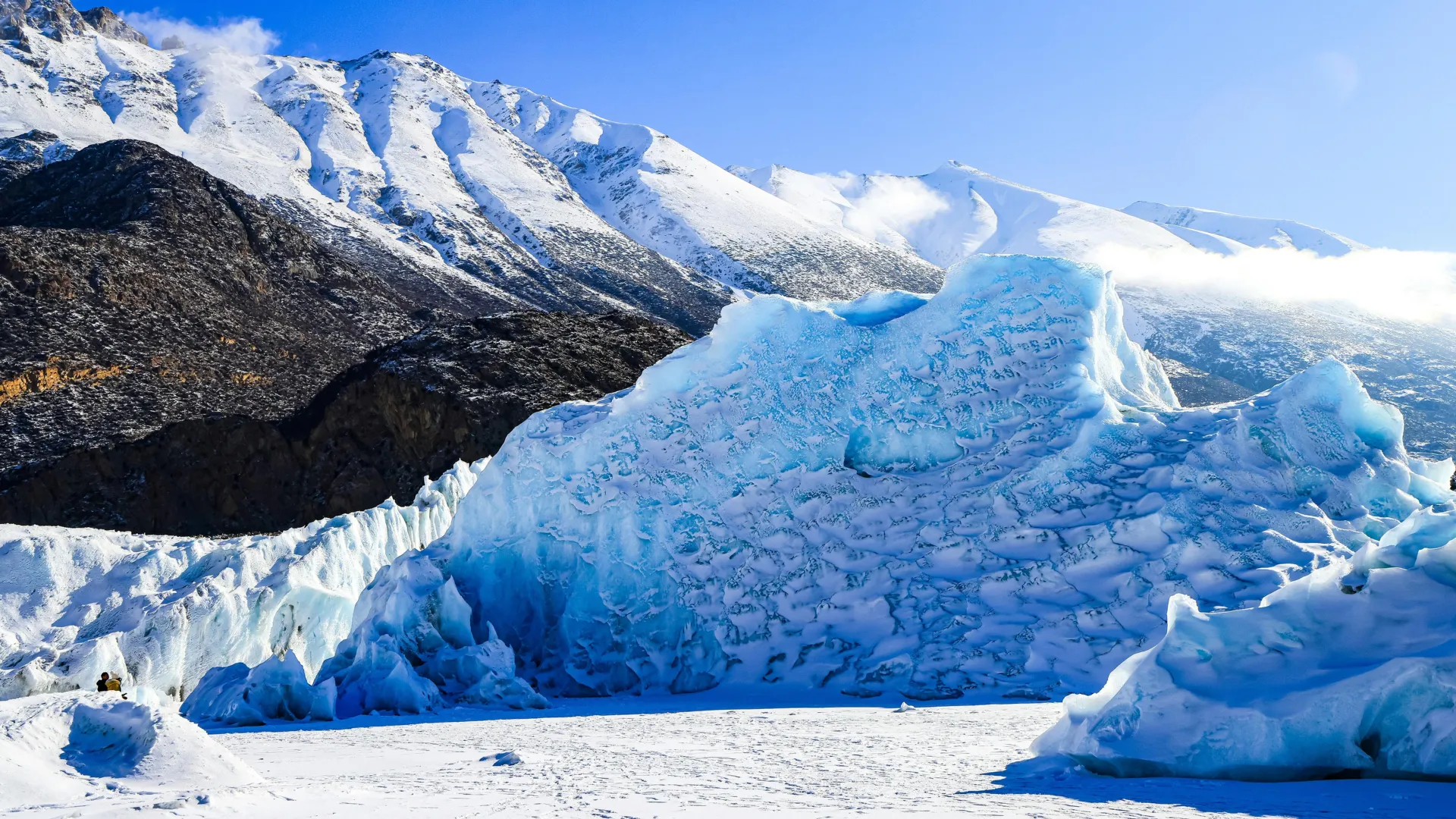
Tibet's Guliya Ice Cap Holds Climate Record Older Than 128,000 Years, Study Finds
Two ice cores drilled 23 years apart in northwestern Tibet show matching climate signals, pushing the region's glacial record back over 100,000 years.
Science, discoveries and how the world works. · 644 articles

Two ice cores drilled 23 years apart in northwestern Tibet show matching climate signals, pushing the region's glacial record back over 100,000 years.

JAMSTEC researchers grew two Heimdallarchaeia strains, offering direct evidence on what the archaeal ancestor of eukaryotes was like.

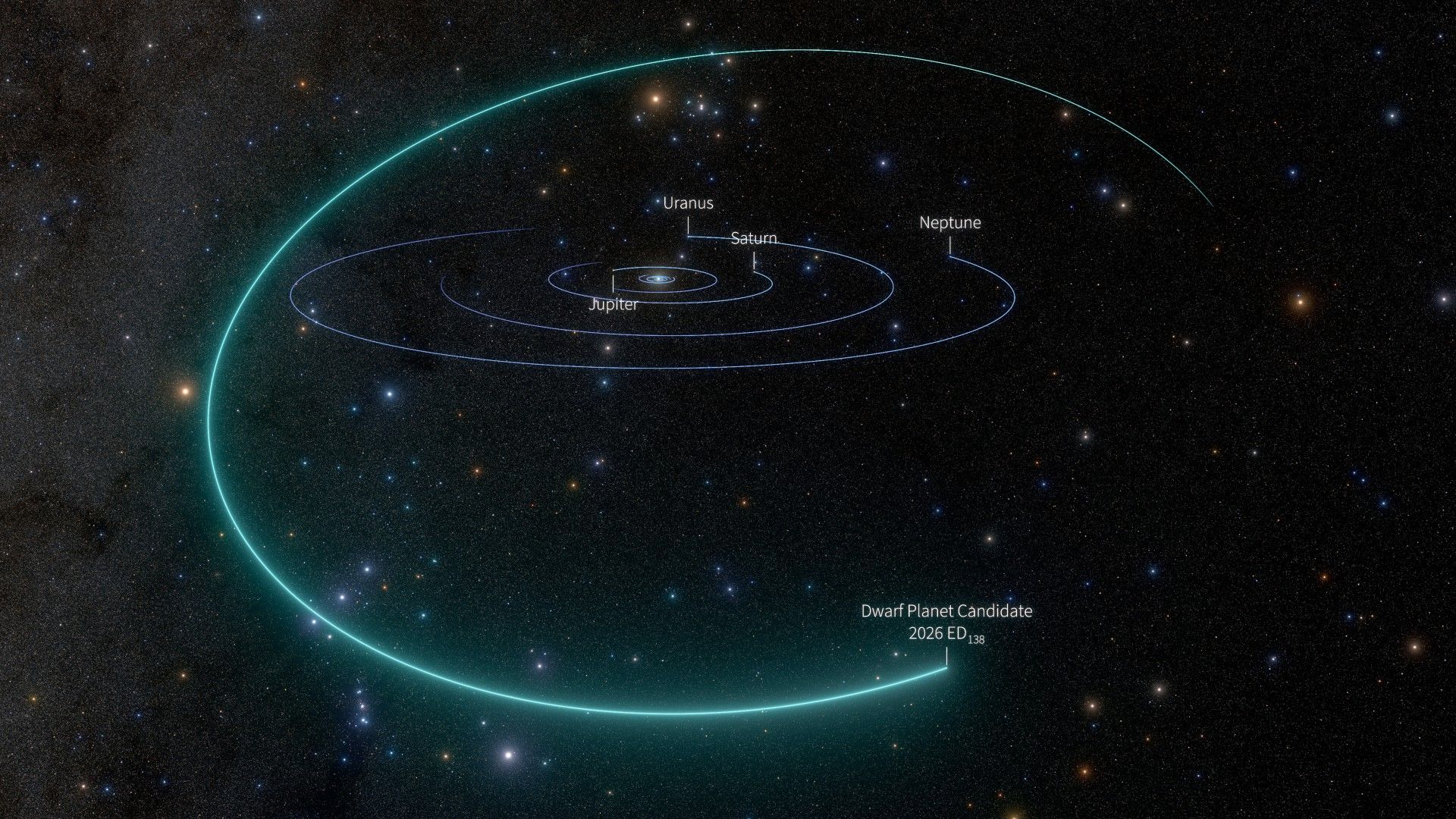
Astronomers using the Rubin Observatory in Chile have found a candidate dwarf planet, ED138, in the region beyond Pluto, according to reports.

Media Indonesia reports a mysterious object beyond Neptune's orbit may qualify as a new dwarf planet, with a diameter possibly reaching 1,500 km.

Scientists just pulled a "living fossil" from the deep sea, and this time the label is earned. Here's why it rewrites evolution — and why it's already at risk.

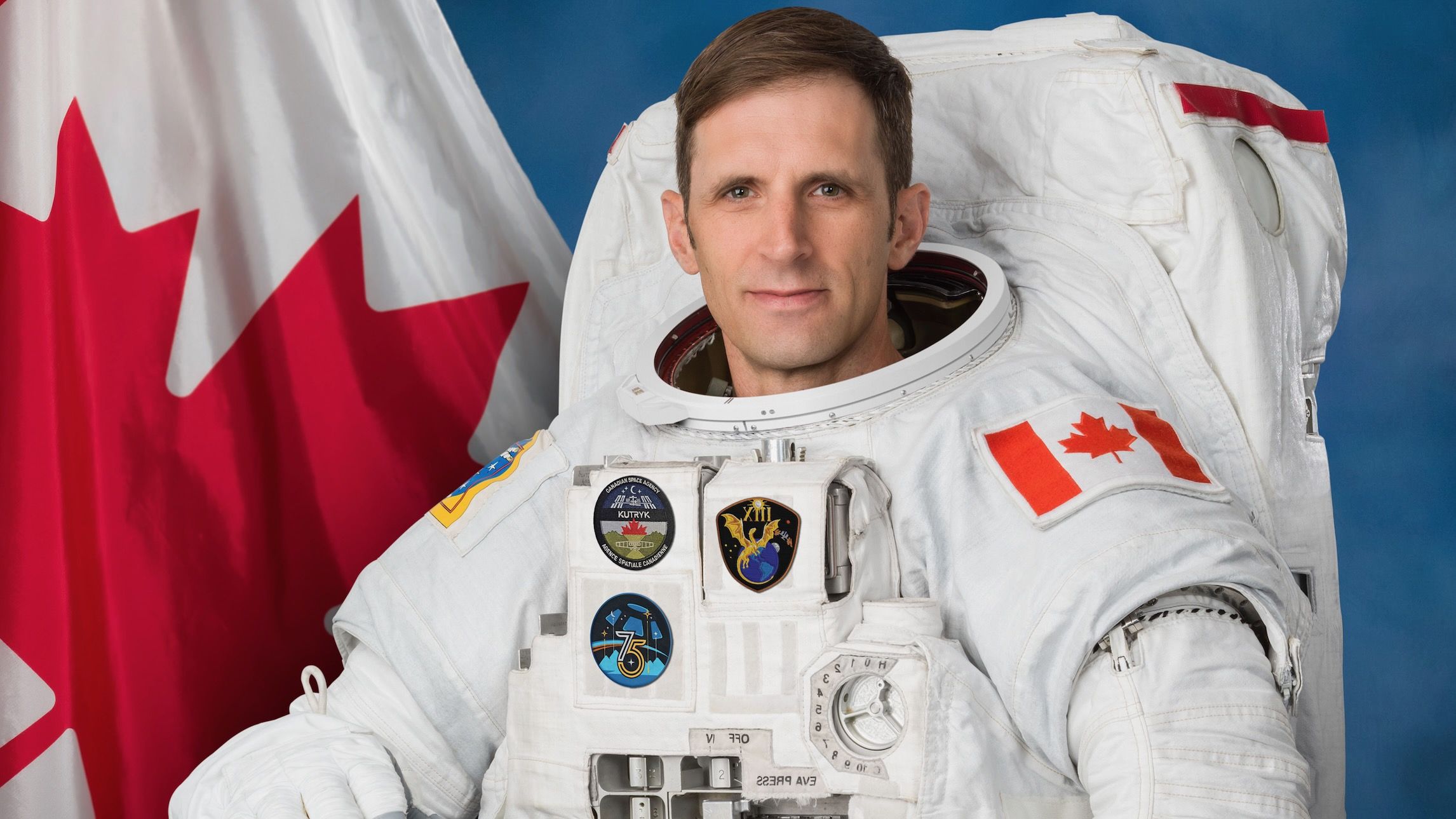
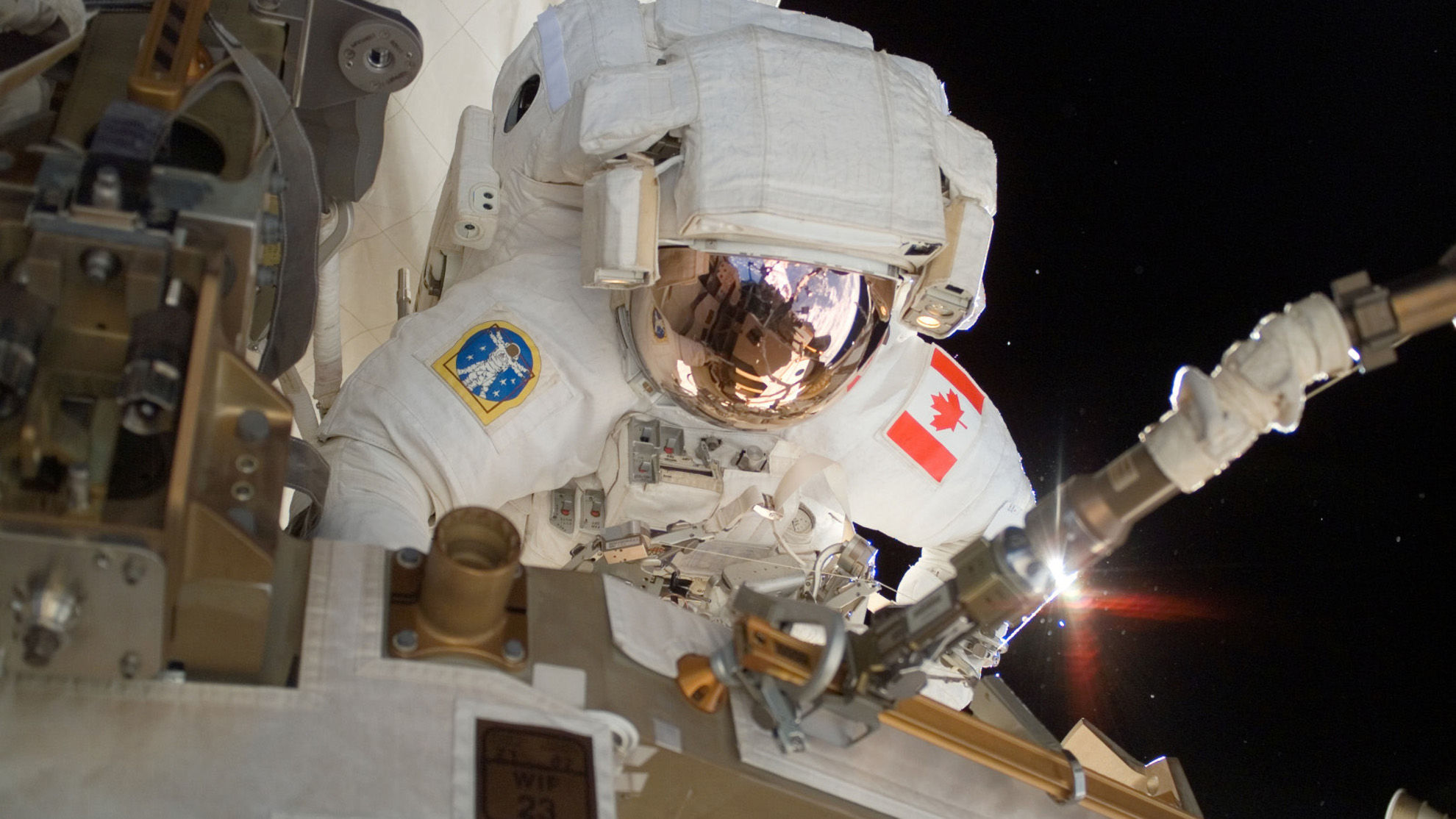
Two astronauts are scheduled to step outside the International Space Station Thursday for a power upgrade spacewalk, with Kutryk making his first.

CSA astronaut Joshua Kutryk will make his first spacewalk Thursday alongside NASA's Anil Menon to install a new solar array at the ISS.

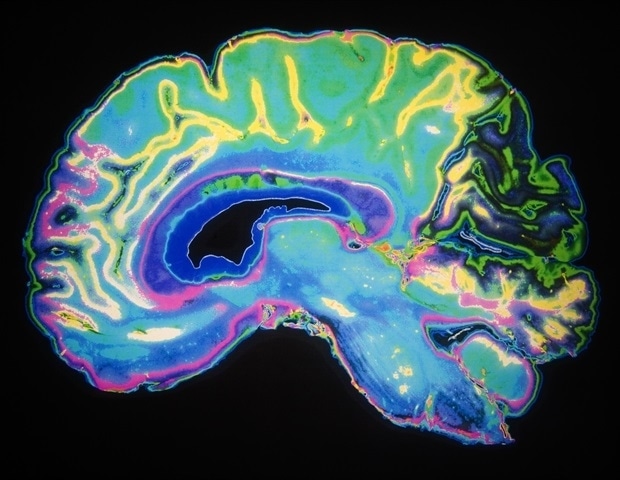
News-Medical reports that the developing brain removes defective neurons, a process described as safeguarding genomic integrity.

Phys.org reports that a slow-motion electron camera has recorded light-driven quantum jumps in graphene, offering a direct view of the process.

Researchers at CIC nanoGUNE have experimentally extracted magnetic information from an altermagnet as a spin current, a first for the material class.

A study finds the power plant's free-ranging dogs carry selection signatures at over 100 genomic sites, unlike dogs a few miles away in Chornobyl City.

Phys.org reports amber fossils show how an ancient Australian landmass helped seed tropical forests in Southeast Asia.

Astronomers say object 2026 ED138, likely 600 to 1,500 km wide, may join Pluto and four others in the dwarf planet family.

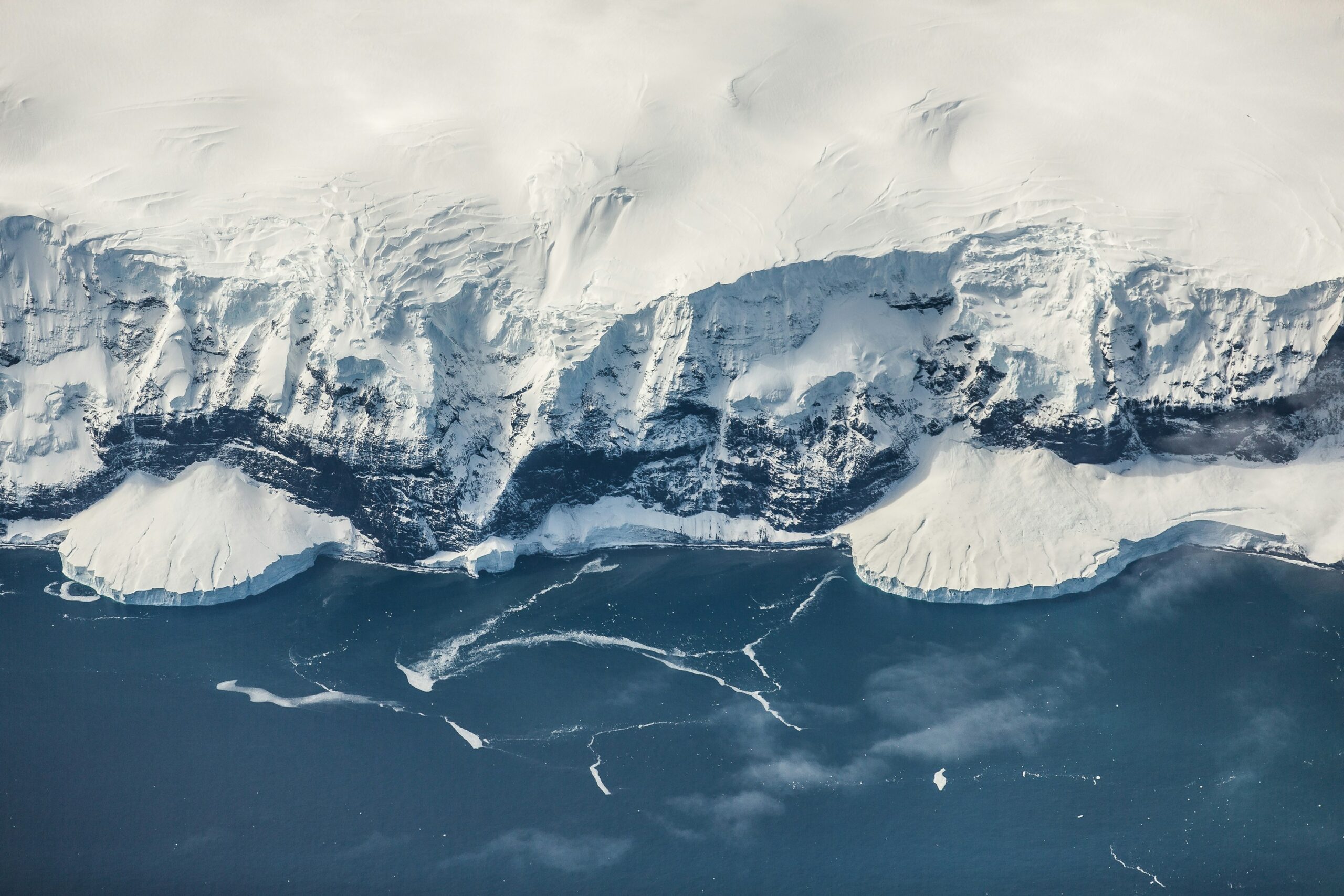
Study finds Antarctic Intermediate Water grew saltier, denser and deeper after sea ice hit record lows, with possible effects on carbon storage and currents.

A Polish-led team reports that fluorescent salt crystals tracked cosmic radiation on Artemis I, offering a new way to dose future crews.

Phys.org reports that machine learning simulations have revealed how plastic transforms into hard carbon, offering insight into the conversion process.

A Dallas biotech company is using a new AI platform to push forward its work on reviving the extinct dodo, according to Audacy.

A Harvard-linked team reversed aging in mice. What it means for humans is stranger than the headlines—and closer than you think.

The NSF–DOE Vera C. Rubin Observatory has identified its first dwarf planet candidate in our solar system, according to Phys.org.

Kutryk and NASA's Anil Menon will spend nearly seven hours outside the station Thursday to install a roll-out solar array, NASA says.

毎日新聞 photo roundup covers a Fukuoka rice-harvest fault line, a Mars moon probe launch, and a rocket factory supporting H3.

Kutryk and NASA's Anil Menon will install a roll-out solar array during a six-hour-45-minute spacewalk outside the station on Thursday.

Phys.org reports a reusable palladium catalyst that enables a more direct route for chemical synthesis.

A China-led research team built Pinal, a tool that turns everyday text descriptions into protein designs, while Hugging Face hosts a similar DNA-level system.
Page 10 of 27