Astronomers Report Finding 'Zombie Planet' Graveyard, Warns of Solar System's Future
Media Indonesia reports the discovery of a "zombie planet" graveyard, described as a warning about what may lie ahead for our solar system.
Science, discoveries and how the world works. · 644 articles

Media Indonesia reports the discovery of a "zombie planet" graveyard, described as a warning about what may lie ahead for our solar system.

A chemical recycling method can convert silicone waste into reusable building blocks with yields reaching up to 99%, according to Phys.org.

Phys.org reports a protein controlling mRNA decoding can itself be regulated, a finding with implications for understanding cancer.

LakelandToday.ca reports that Joshua Kutryk has become the fifth Canadian astronaut to complete a spacewalk.

Phys.org reports that the physical shape of microplastics can affect how severe viral disease becomes in rainbow trout.

NASA's Anil Menon and the CSA's Joshua Kutryk installed and unrolled a new ISS solar array during a 7-hour EVA, the 100th US spacewalk from the station.

Scientists at the Moscow Institute of Physics and Technology have designed a few-centimetre instrument to monitor gamma rays and cosmic radiation from orbit.

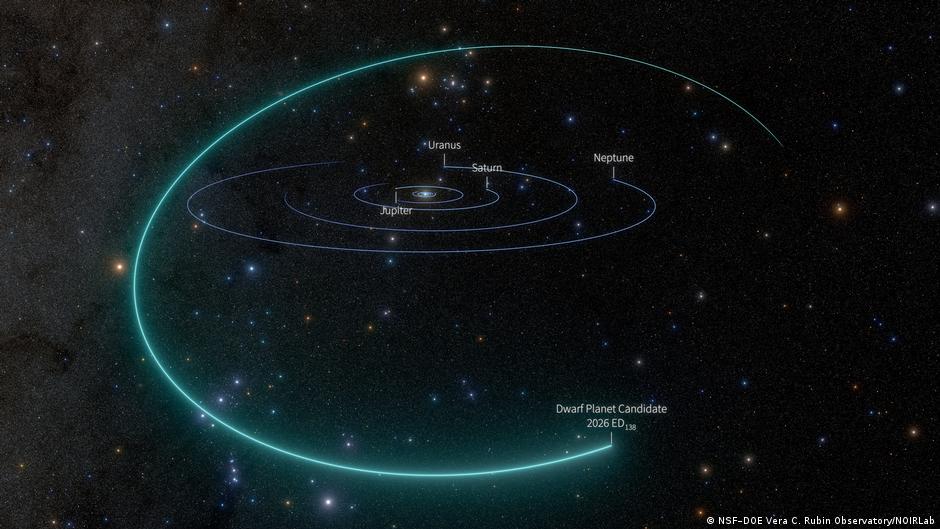
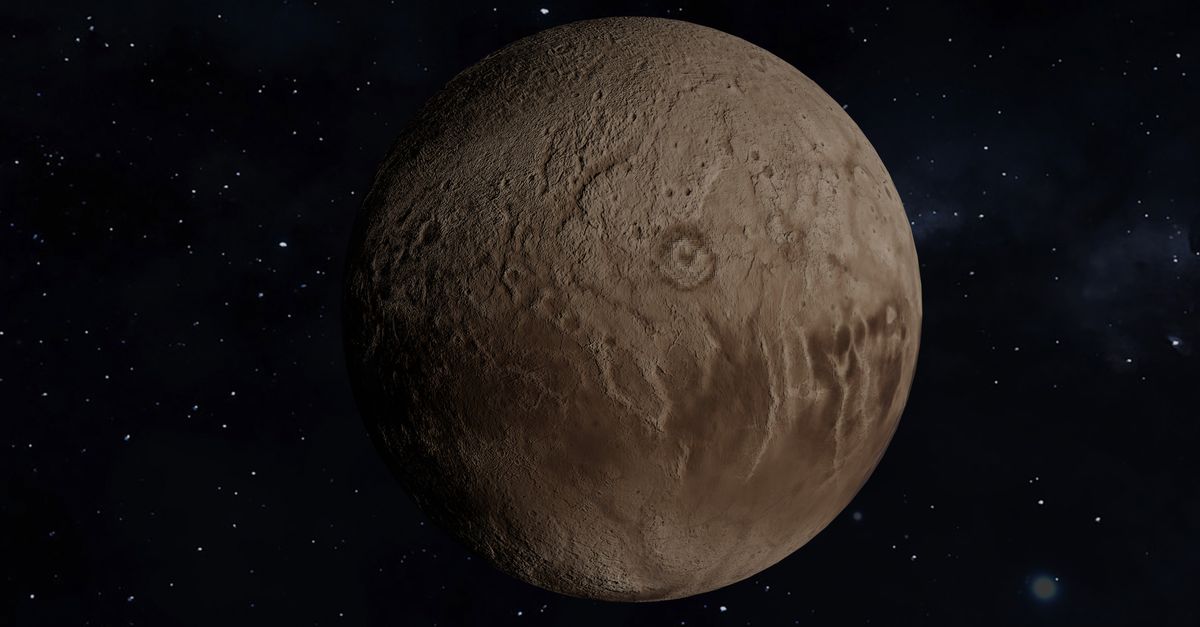
Astronomers using Chile's Vera Rubin Observatory spotted a distant frozen object that could join the IAU's list of five recognized dwarf planets.
New research in Nature Geoscience proposes that growing rocky planets generate water internally as molten pebbles fall through a hydrogen-rich atmosphere.

Phys.org reports that nighttime songs could indicate when endangered pygmy blue whales feed off Western Australia.

Phys.org reports a theoretical method that uses light to locate anyons, particles studied as possible building blocks for quantum computing.

Optica has named Paul B. Corkum, a leading figure in attosecond science, an honorary member, citybiz reports.

Phys.org reports that the cosmic microwave background provides evidence of gas flowing inside galaxy clusters.

Phys.org reports that stars with a history of stealing mass from neighbours could change how scientists estimate their internal magnetic fields.

Phys.org reports an enormous "cat's tail" structure around a star 63 light-years away, evidence of a past cosmic collision.

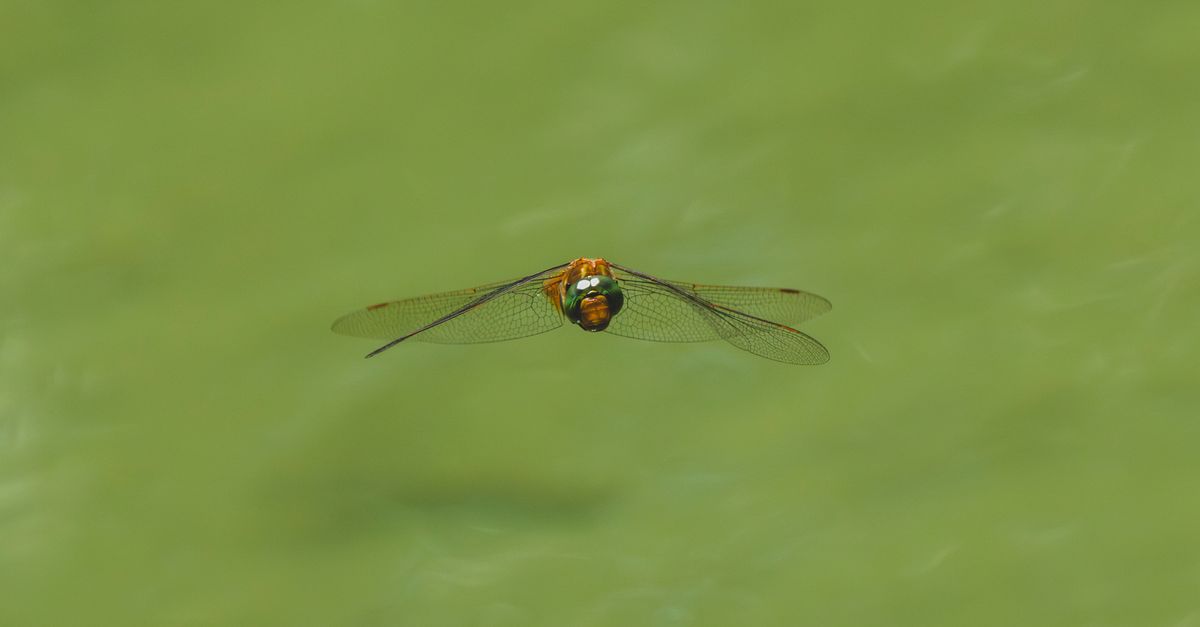
New fossil scans suggest insect flight may have emerged up to 80 million years later than previously believed, according to Phys.org.

A newly detected world past Pluto may qualify as a dwarf planet, according to USA Today, and the find has revived debate about Pluto's status.

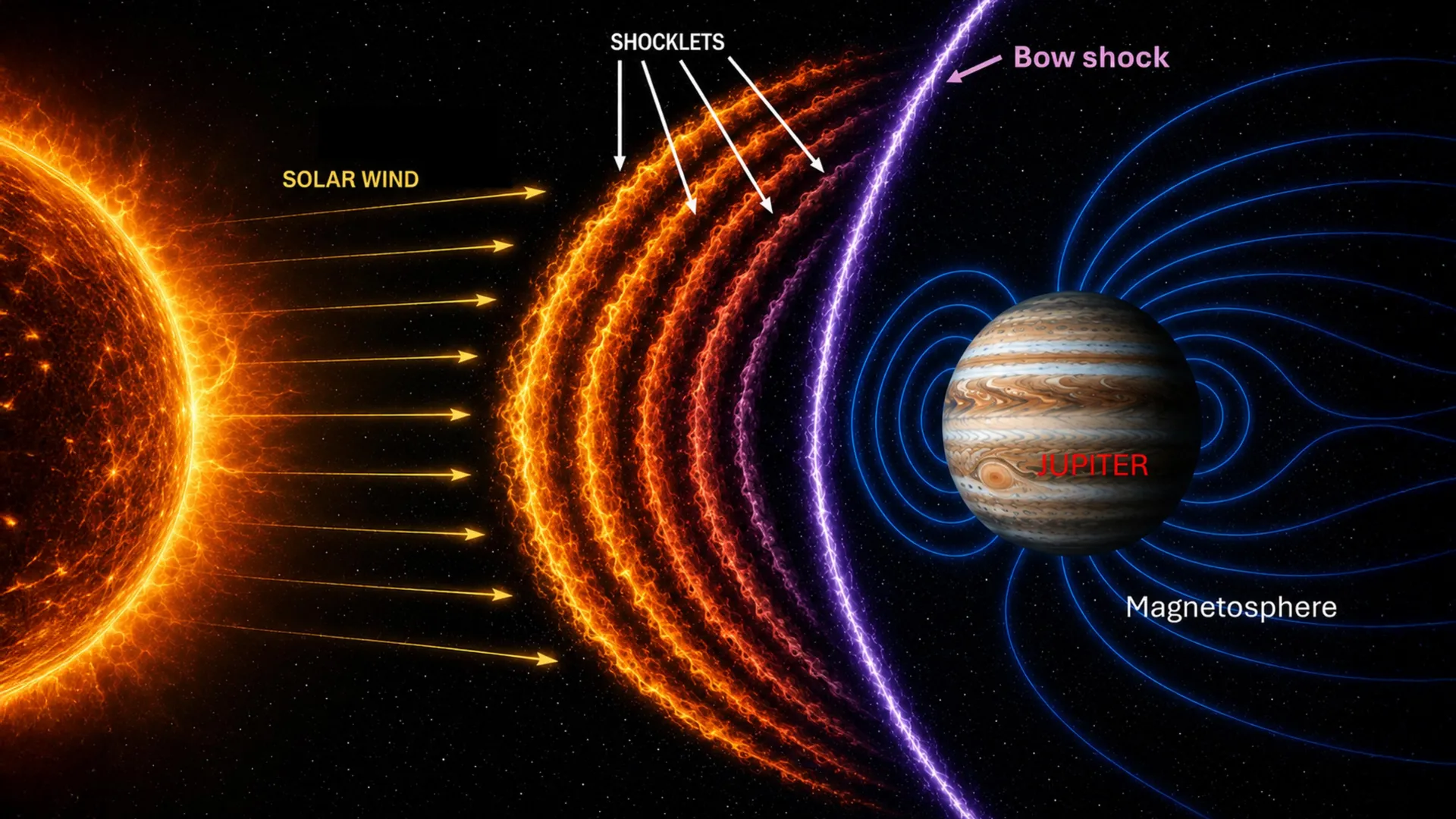
University of Iowa-led researchers say Juno data shows Jupiter slows solar wind with multi-frequency plasma waves and extra shocklets.

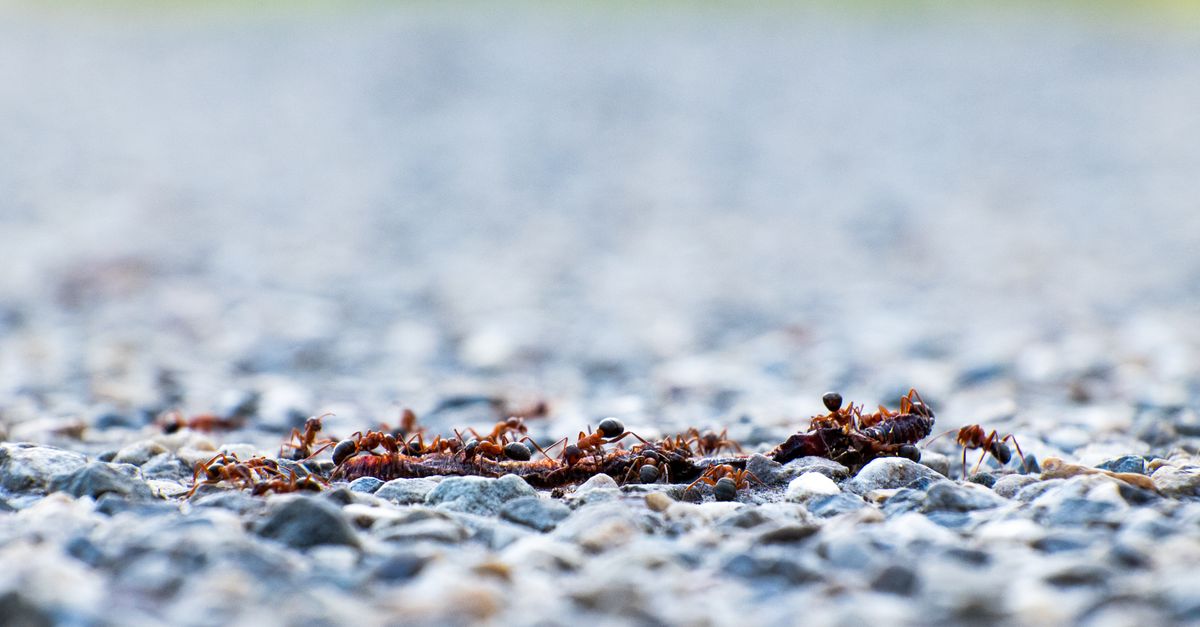
Phys.org reports that smaller ant species allocate a greater portion of their resting energy budget to their brains than larger ones do.

Researchers are using a DNA-based recording tool to trace how mouse embryos develop, according to reports on the new work.

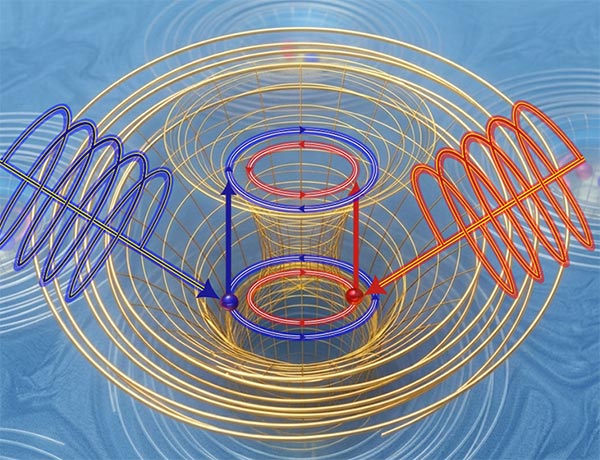
Rutgers researchers used polarized terahertz light to tell apart two kinds of particles trapped in magnetic vortices within iron-based superconductors.

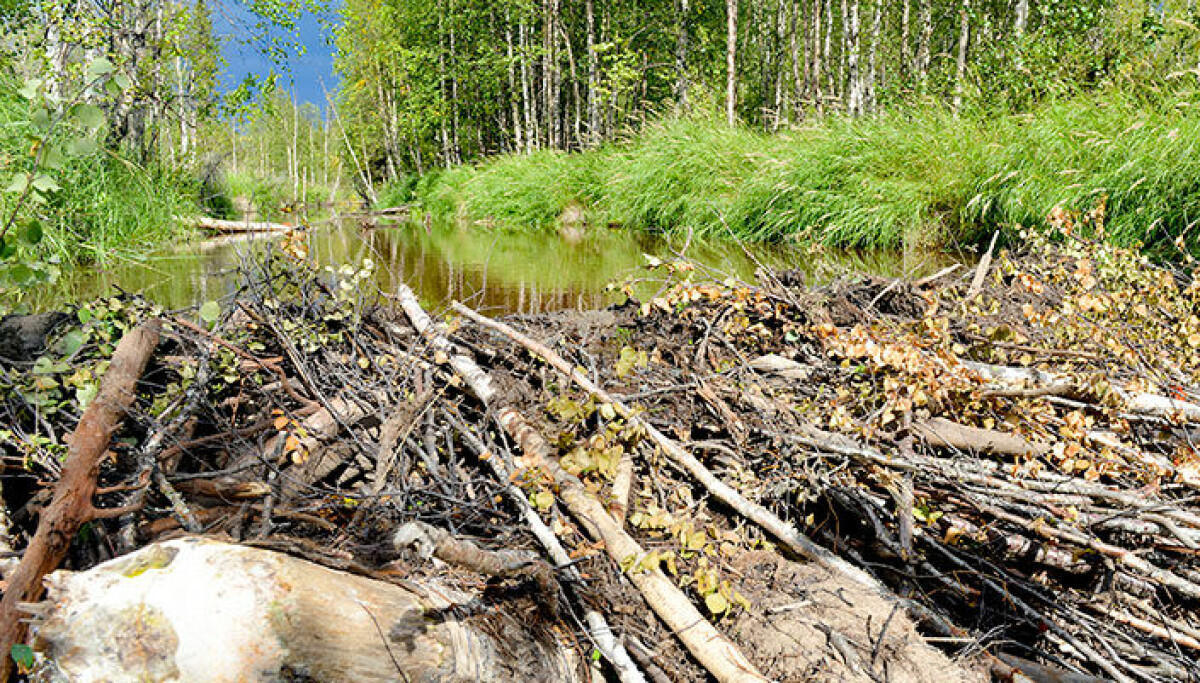
A doctoral thesis from SLU found similar levels of infectious agents in wetlands with and without beavers, challenging a common belief about disease spread.

NASA's experimental X-59 QueSST has begun its first eastward journey from California, bound for Kennedy Space Center after a year of flight testing.

CSA astronaut Joshua Kutryk will venture outside the International Space Station with NASA's Anil Menon to install new solar arrays, CBC reports.
Page 9 of 27