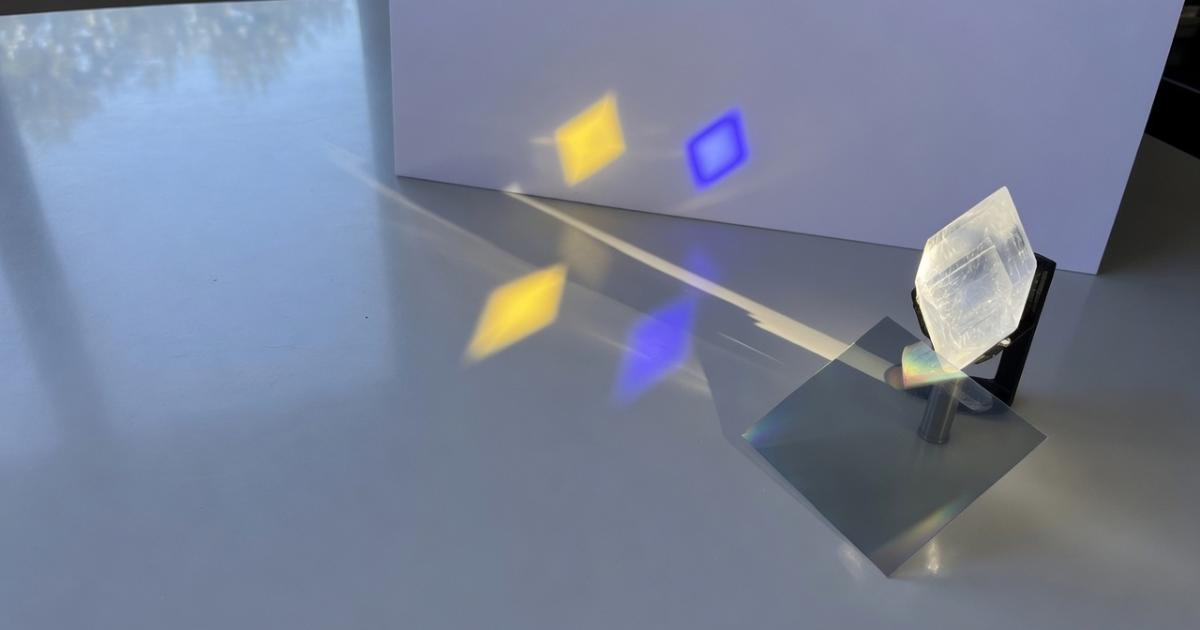
Why Scientists Just Discovered a 'New' Color—and What It Means for Your Eyes
Researchers created a "new" green that doesn't exist in nature and can't appear on any screen. Here's why it matters for your eyes and the future of displays.
Science, discoveries and how the world works. · 644 articles

Researchers created a "new" green that doesn't exist in nature and can't appear on any screen. Here's why it matters for your eyes and the future of displays.

Volunteers are cataloguing Singapore's diverse sea slug population, with some species still undescribed and reclamation plans raising concerns.

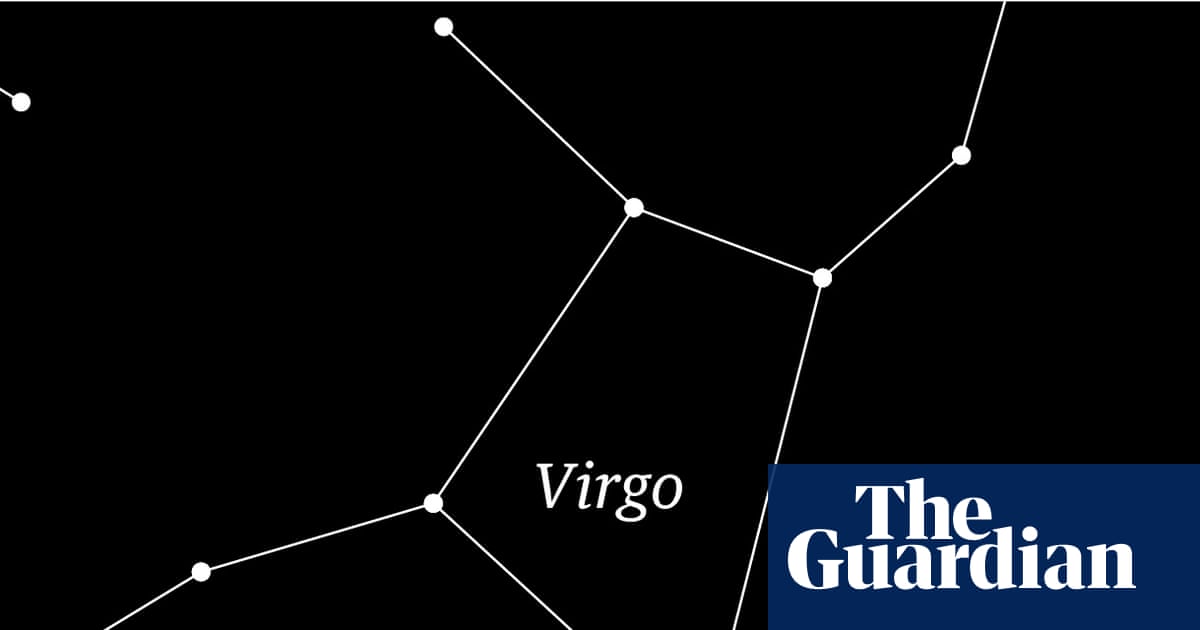
The Guardian reports Venus, a 4%-lit crescent moon and Virgo's brightest star Spica will cluster low in the east-south-east before sunrise on 7 November.

Gioele La Manno of EPFL has received the 2026 Eppendorf & Science Prize in Neurobiology for mapping how lipids are distributed across the mouse brain.

A global study cited by Phys.org estimates that the combined metabolism of all people releases about 2 billion metric tons of CO₂ each year.

Scientists reversed aging in mice with a cellular reprogramming trick. Here's what it really means for humans — and the catch nobody's mentioning.

A Syracuse University team reports that entangled codewords do not raise classical transmission rates over phase-covariant quantum channels, up to N dimensions.

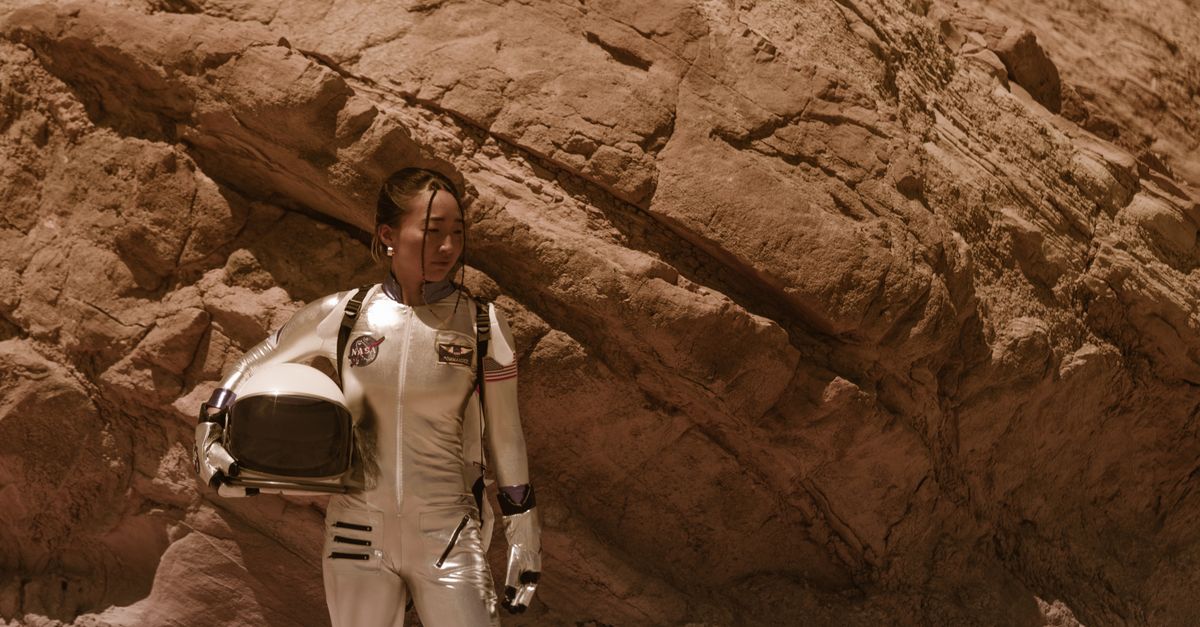
Phys.org reports that dust studied through spacesuit samples points to Mars material being less abrasive than lunar dust, a possible plus for future crews.

Phys.org reports that dust from Mars may wear down spacesuits less than lunar dust does, based on tests of suit samples.

A new proof shows entangled codewords do not raise classical transmission rates over phase-covariant channels, extending earlier qubit-only results to N dimensions.

Quantum computing is quietly rewriting how we discover medicine — slashing decades off drug development. Here's what it really means for patients.

New research reveals your brain has a hidden sixth sense called interoception. Here's how it works, why it matters, and how to train it.

A pinkish meteorite recovered from the Sahara has been identified as a 4.1-billion-year-old piece of Mars, according to German science outlet Scinexx.

A reddish meteorite recovered from the Sahara has been identified as a 4.1-billion-year-old piece of Mars, according to German-language reports.

Researchers found molecular evidence of aloe in a 2,700-year-old mummy head, the first such link to ancient Egyptian embalming, Phys.org reports.

Phys.org reports researchers have formed an anti-spin ice by using attracting particles, a result described as breaking the ice in this area of study.

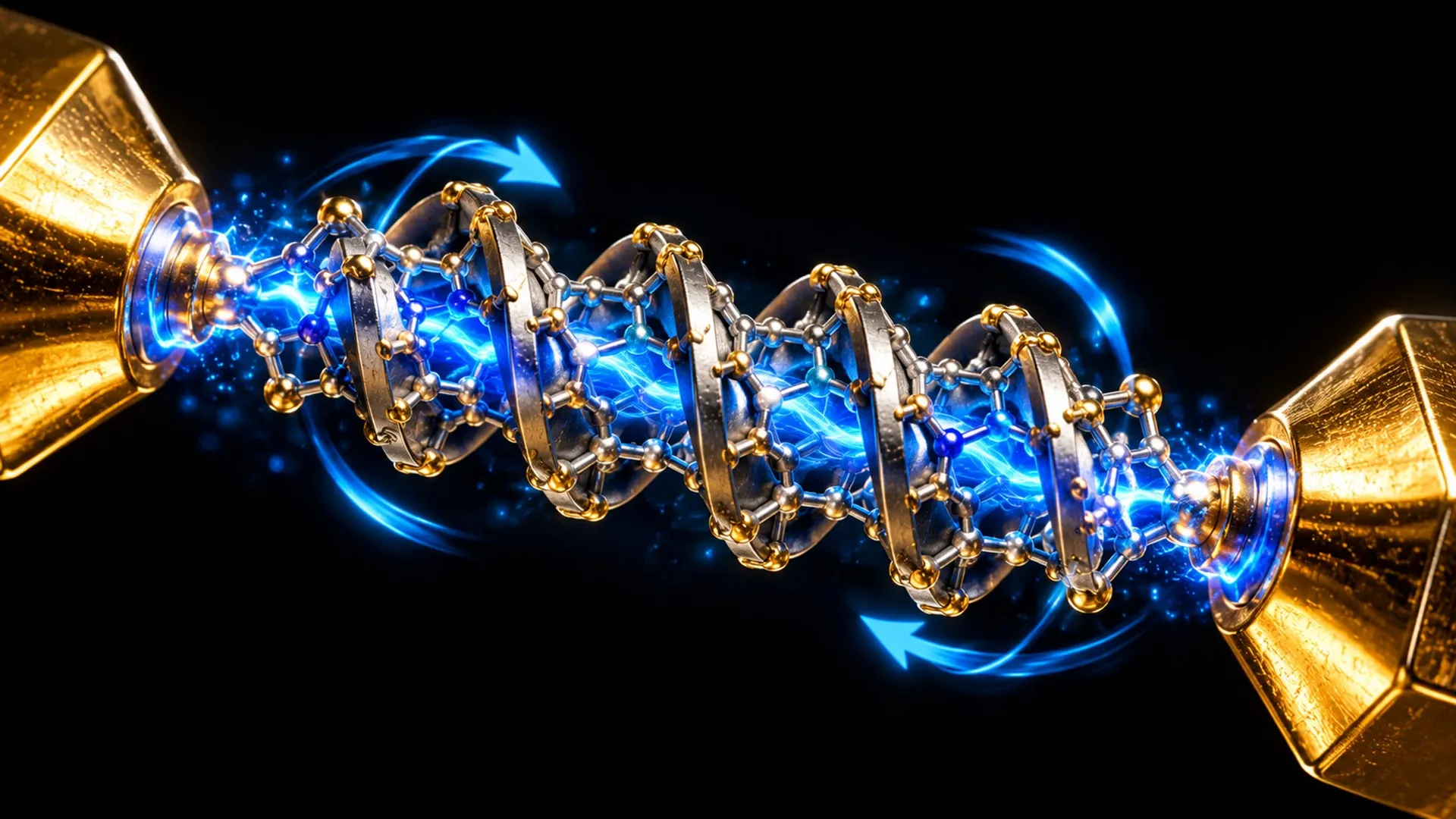
Researchers built a spiral molecule that rotates when voltage is applied and can reverse direction, with quantum simulations explaining a surge in conductivity.

Chinese officials have outlined a rehearsal plan for a crewed moon landing, with the Lanyue lander set for an uncrewed flight and two astronauts slated to reach the lunar surface.

Researchers say a rock found in the Sahara in 2022 came from Mars over 4.1 billion years ago and holds signs of the planet's early water.

The Jeddah Astronomical Society says November 2026 brings a supermoon, four dawn planets, two meteor peaks and a Uranus opposition over Saudi Arabia.

Saudi Arabia and the wider Arab world can watch a supermoon, four planets at dawn and three meteor showers this November, the Jeddah Astronomical Society says.

Scientists reversed aging in mice at the cellular level. What it really means for humans, the risks nobody mentions, and why healthspan beats immortality.

A simulation of 100,000 comet strikes on early Earth suggests most organic molecules burned up on impact, weakening a long-held origin-of-life theory.

Two nearly complete skeletons from Guizhou show Gerrothorax maritimus, a 237-million-year-old stem amphibian, spent its whole life in salt water.
Page 7 of 27