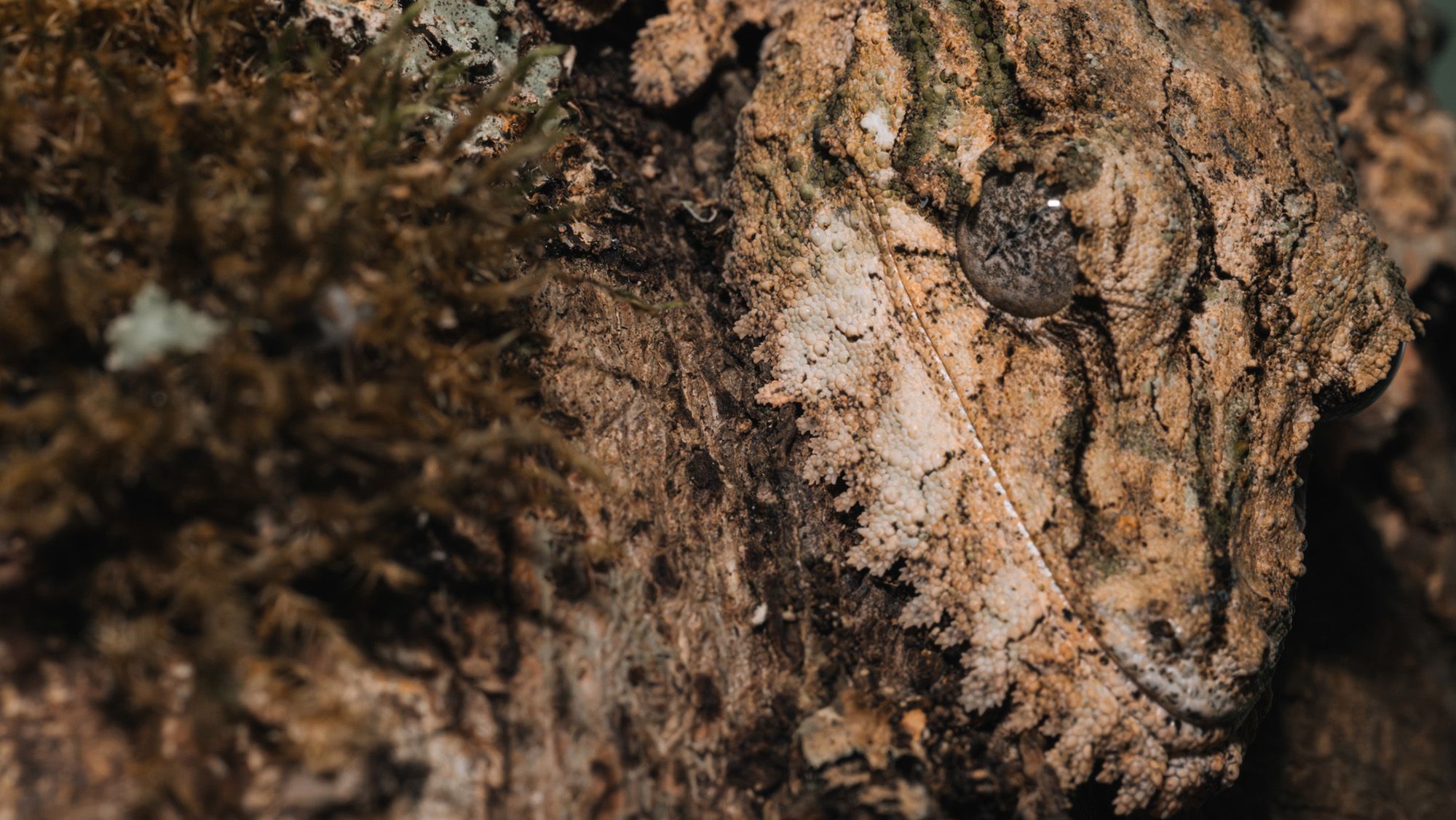
Ancient Human DNA Recovered From Spanish Cave Sediment, No Bones Needed
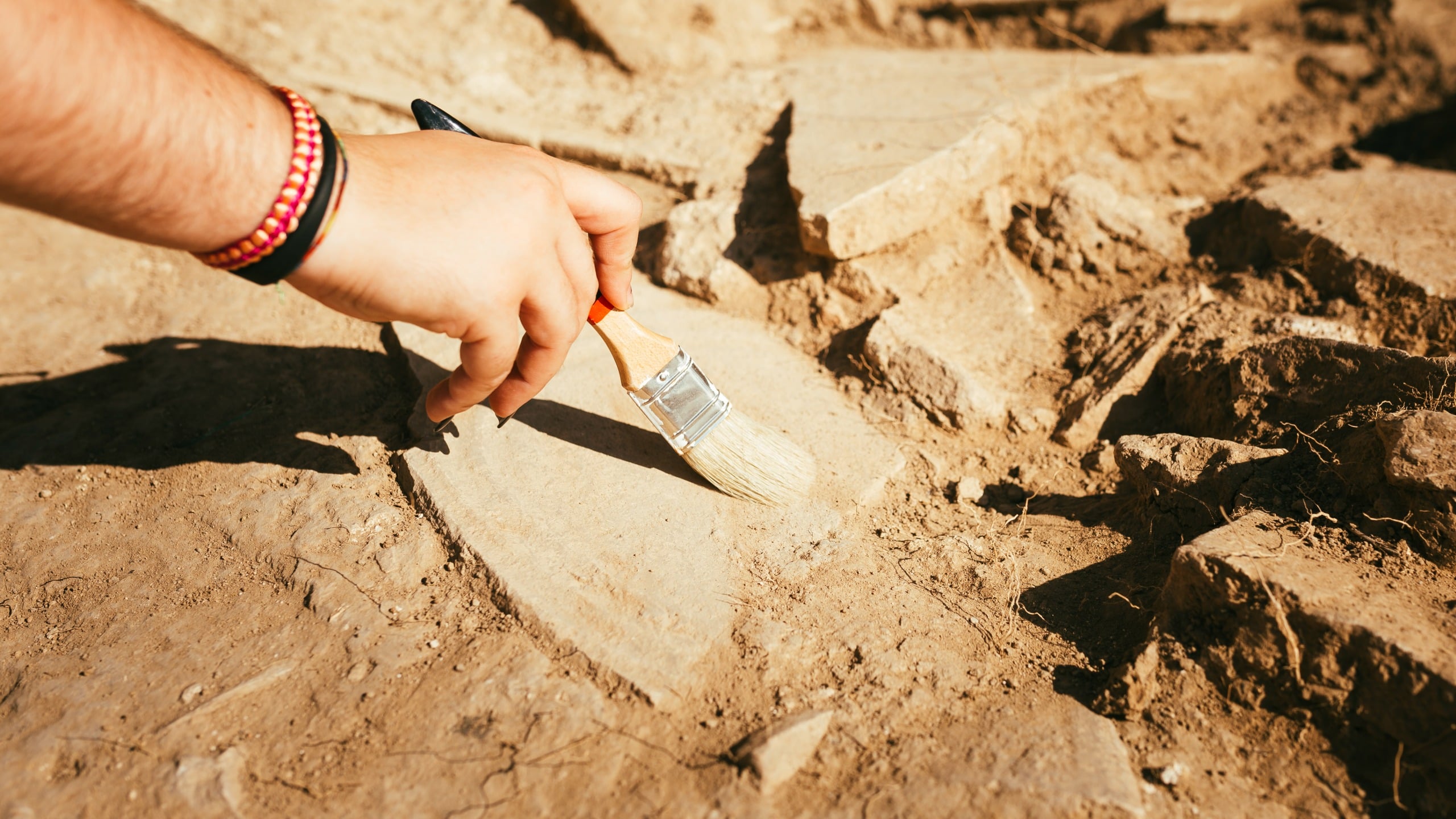
Researchers extracted 22,000-year-old human DNA from a few grains of dirt in El Mirón Cave, revealing dark-skinned ice age inhabitants of Spain.
Science, discoveries and how the world works. · 644 articles

Researchers extracted 22,000-year-old human DNA from a few grains of dirt in El Mirón Cave, revealing dark-skinned ice age inhabitants of Spain.

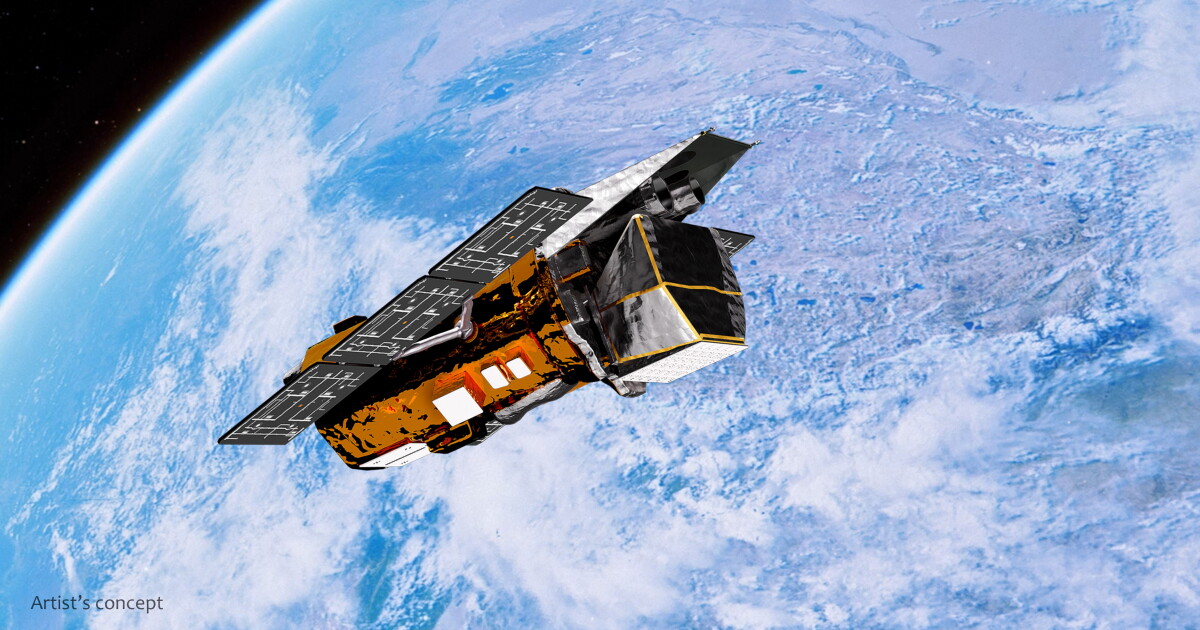
NASA says the Neil Gehrels Swift Observatory has finished its science mission and will fall back to Earth in the coming weeks after 22 years.

New research reveals the ocean's biological carbon pump is more powerful — and more fragile — than we thought. Here's why it changes everything.

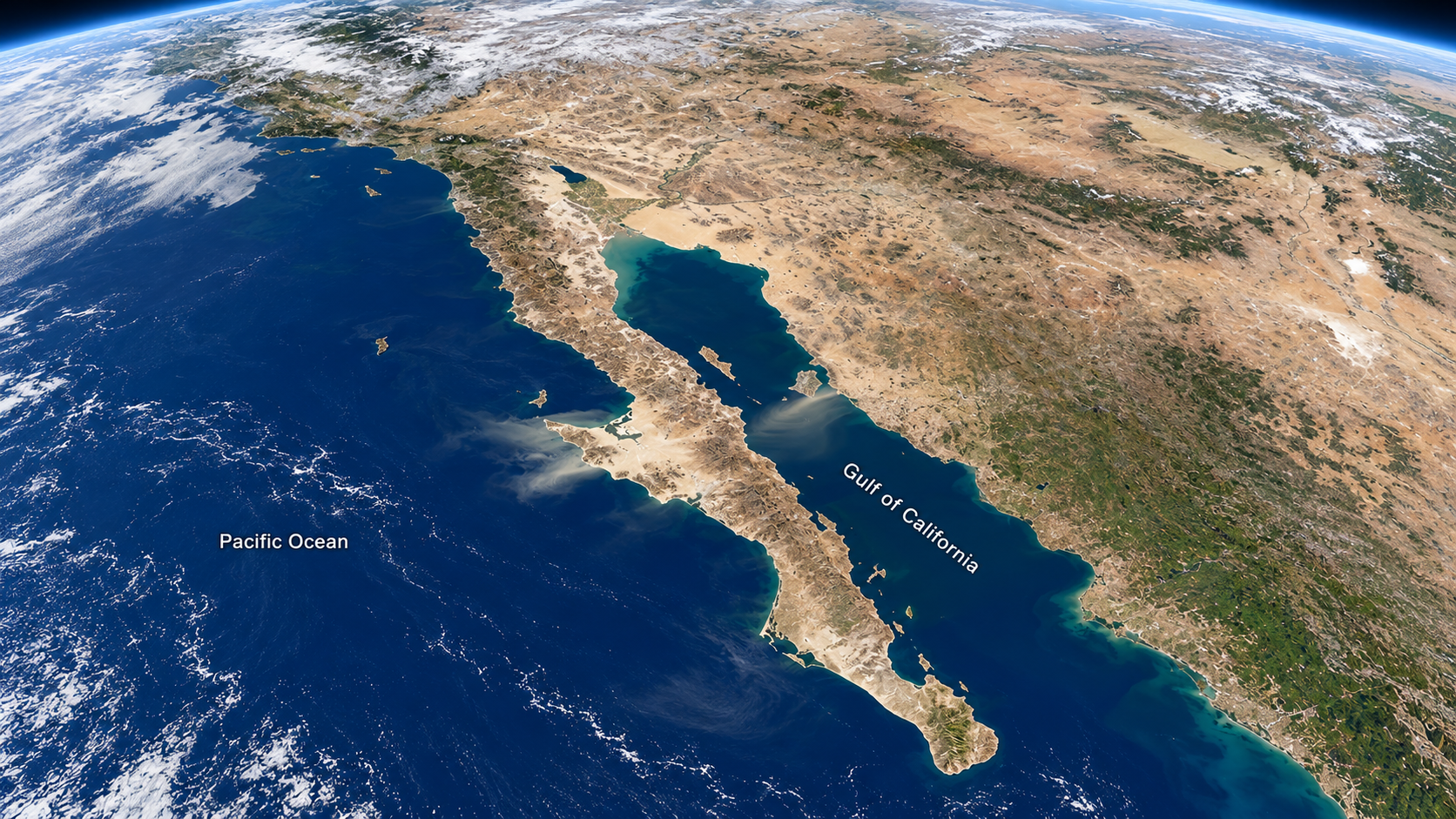
Global computer models suggest tectonic changes near Japan added stretching stress that sped up the Gulf of California's opening, a new Science study finds.

Scientists reversed aging in mice using epigenetic reprogramming. Here's what it really means for human healthspan—and why the hype is both right and wrong.

NASA's Swift telescope is expected to fall to Earth around Friday after 22 years of gamma-ray burst observations, with debris possibly reaching several regions.

A Live Science interview explores whether animals can lie, with a biologist describing how observers end up imagining elaborate scenarios.

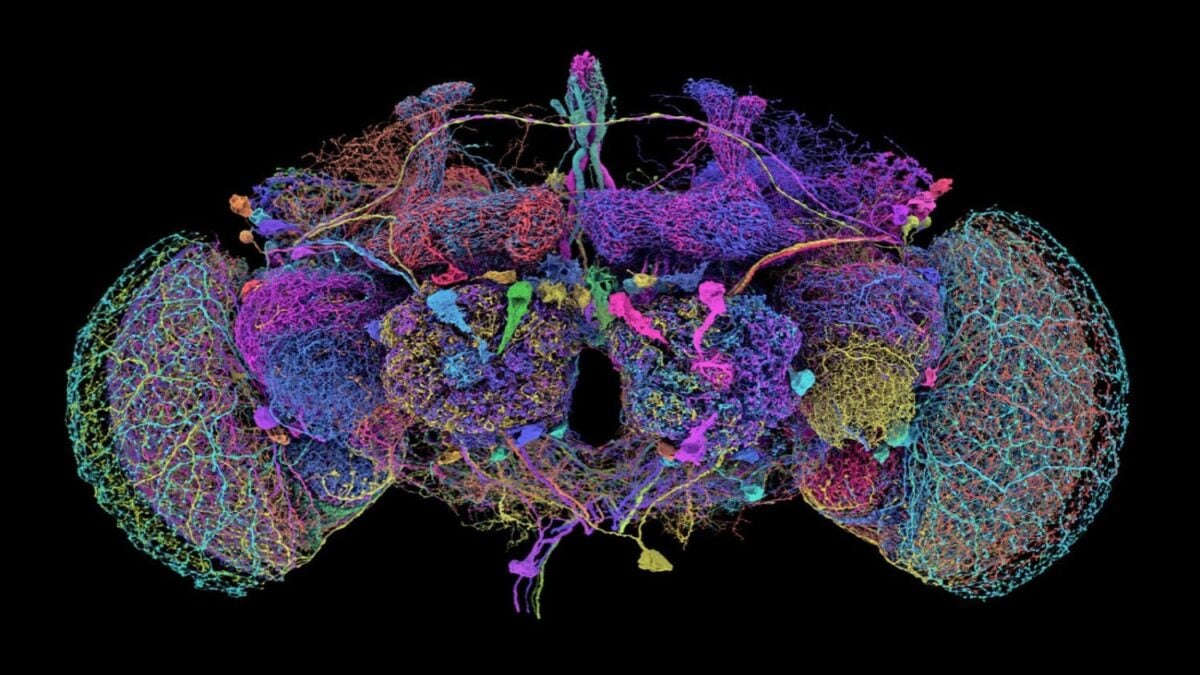
Hong Kong-led researchers found that boosting a chaperone protein improved memory in older fruit flies, pointing to a possible molecular basis for age-related forgetting.

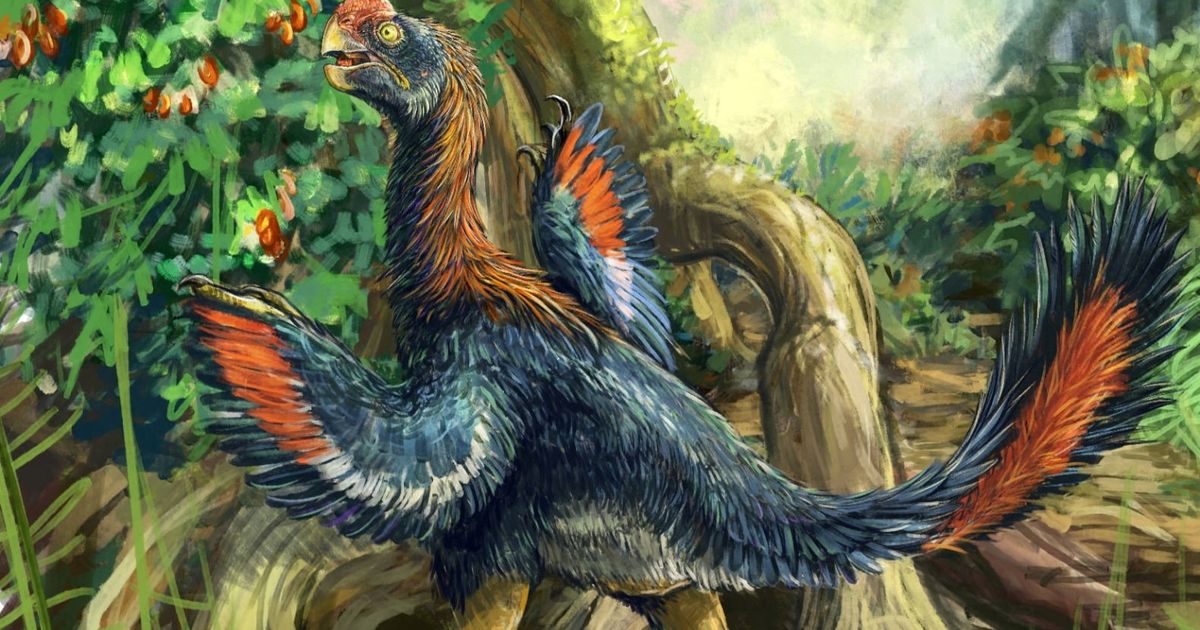
Fossils of a turkey-sized dinosaur named Infernogallus jamesi suggest it fed on fruit and soft plants about 66 million years ago, researchers report.

A quantum computing milestone just changed everything—and most people don't realize why it matters. Here's the truth about what comes next.
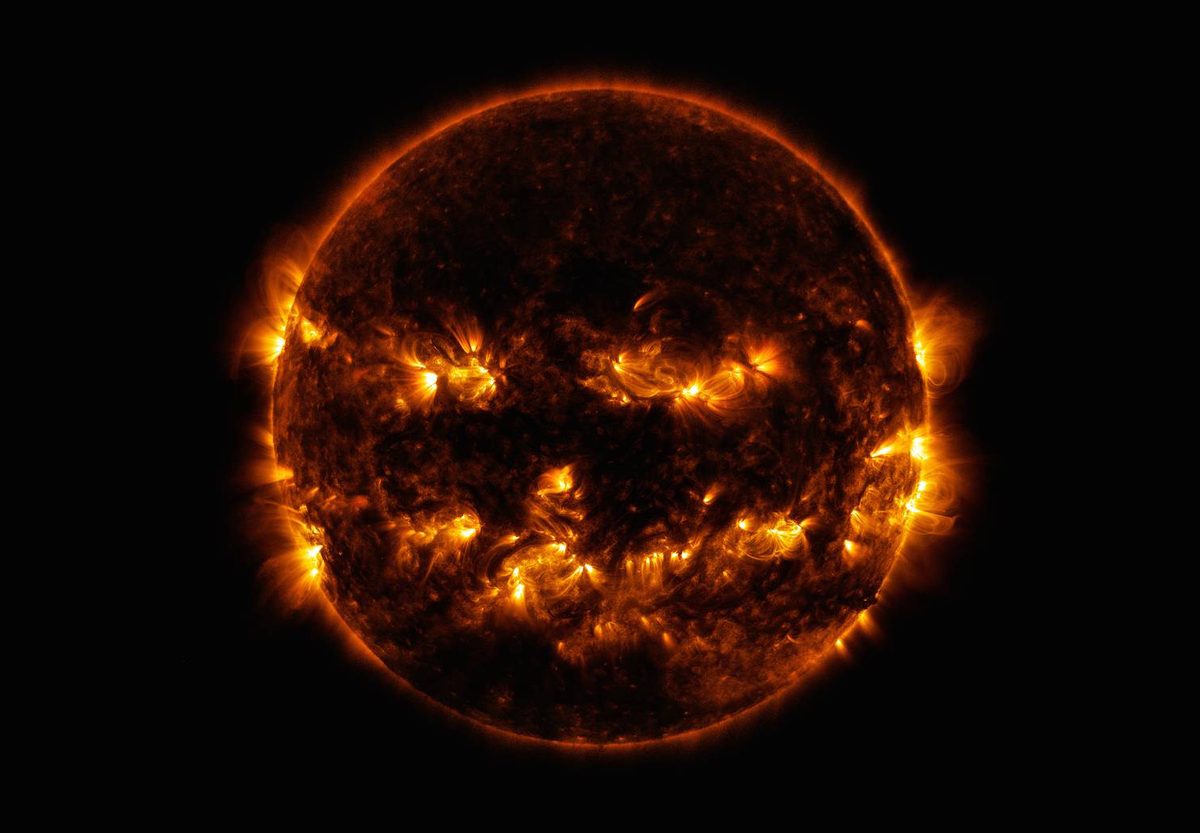
The outlet's Halloween roundup pairs familiar spooky shapes in the cosmos with the science behind them.
Portuguese broadcaster RTP examines how microgravity research on astronauts may inform treatments for ageing, immobility and disease back on Earth.

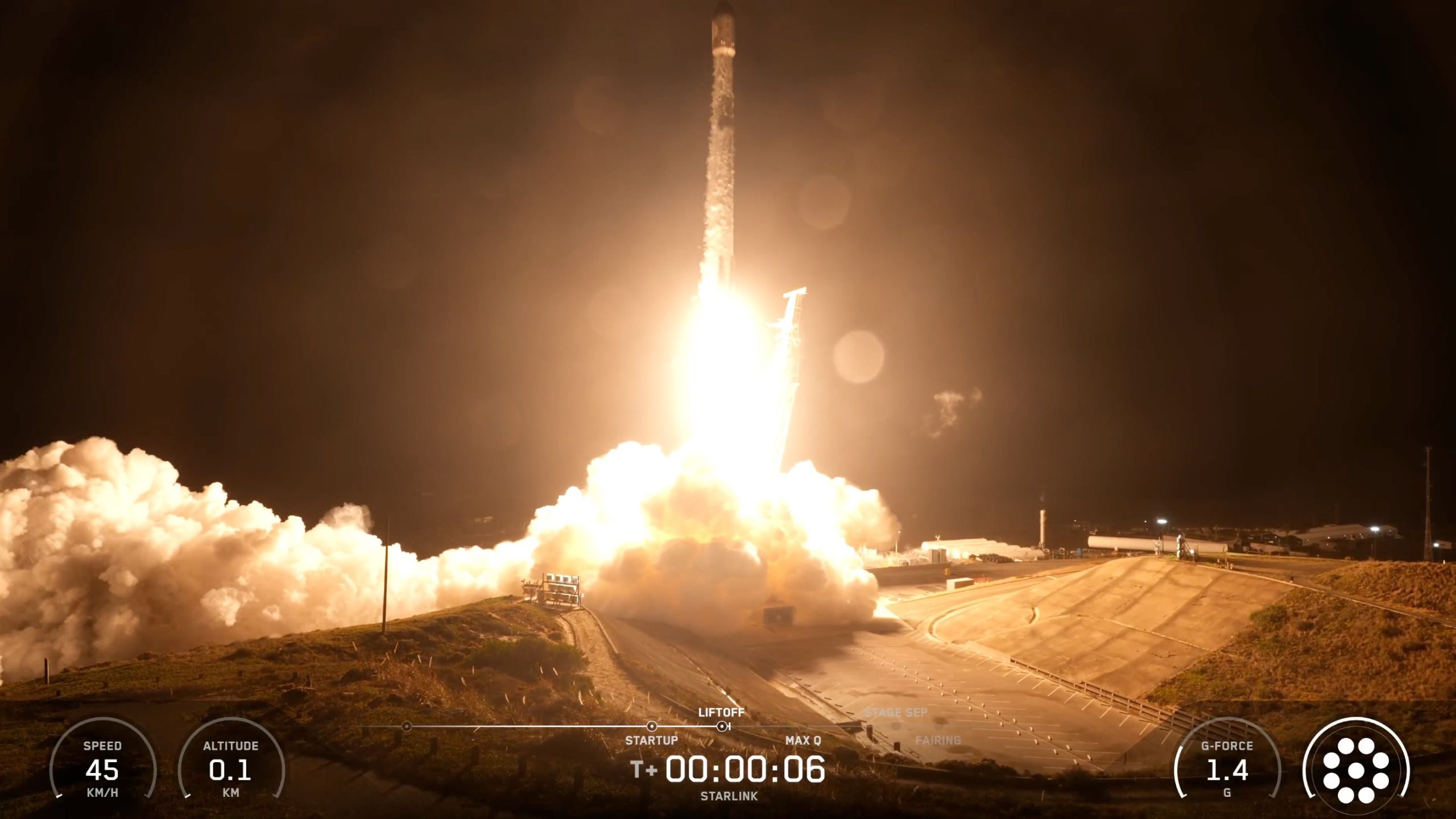
A Falcon 9 lifted off from Vandenberg Space Force Base early on Oct. 31, carrying 27 Starlink satellites and landing its booster at sea.

BRIN researchers outlined biological pest control, flowering vegetation, and plant volatile compounds at a webinar on sustainable agriculture.

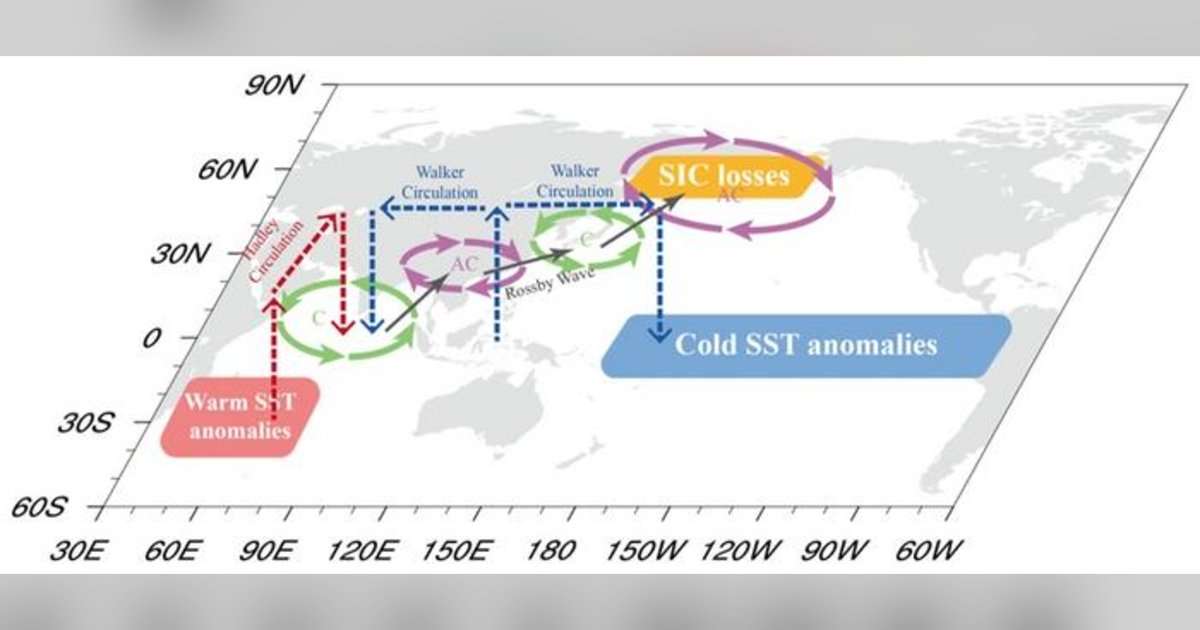
A Hong Kong-led study finds La Niña and a Southern Indian Ocean warm anomaly combined to push February and March 2025 Arctic sea ice to record lows.

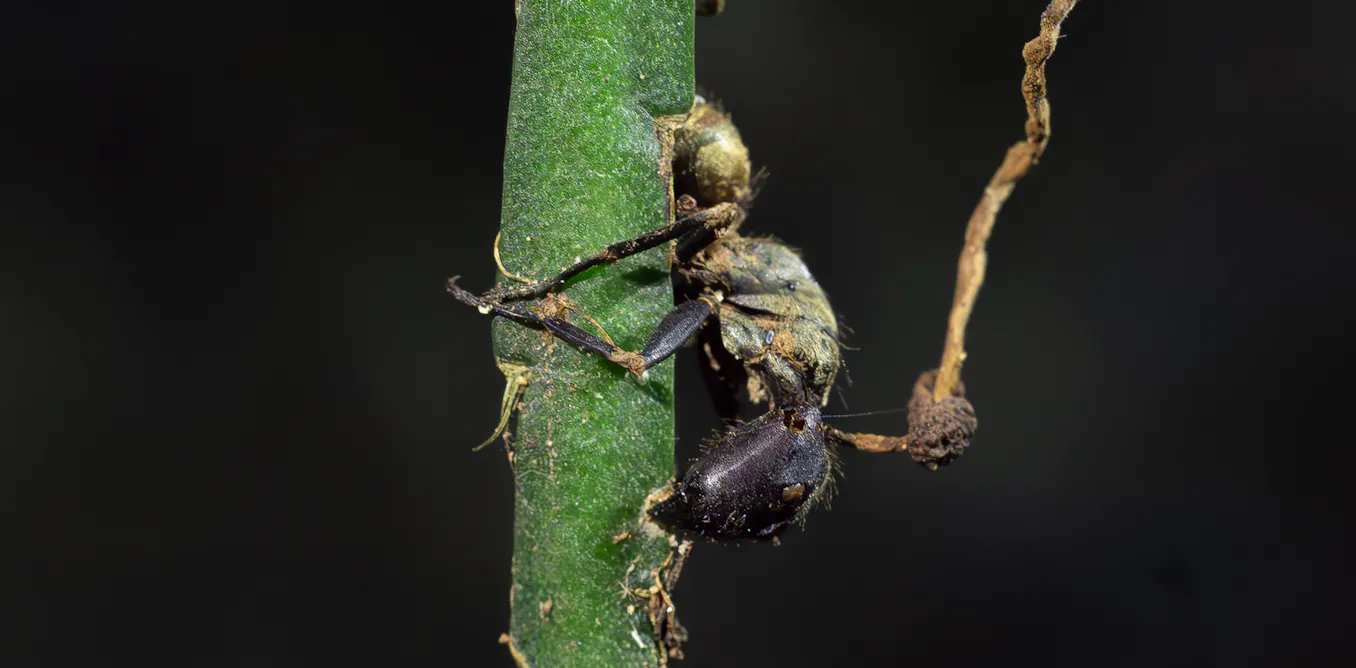
A biomedical engineer writing in The Conversation explains how fungi, wasps and parasites alter host behavior without raising the dead.

A small glass chip built by Heriot-Watt University researchers links telescopes together, promising far sharper images of the night sky.
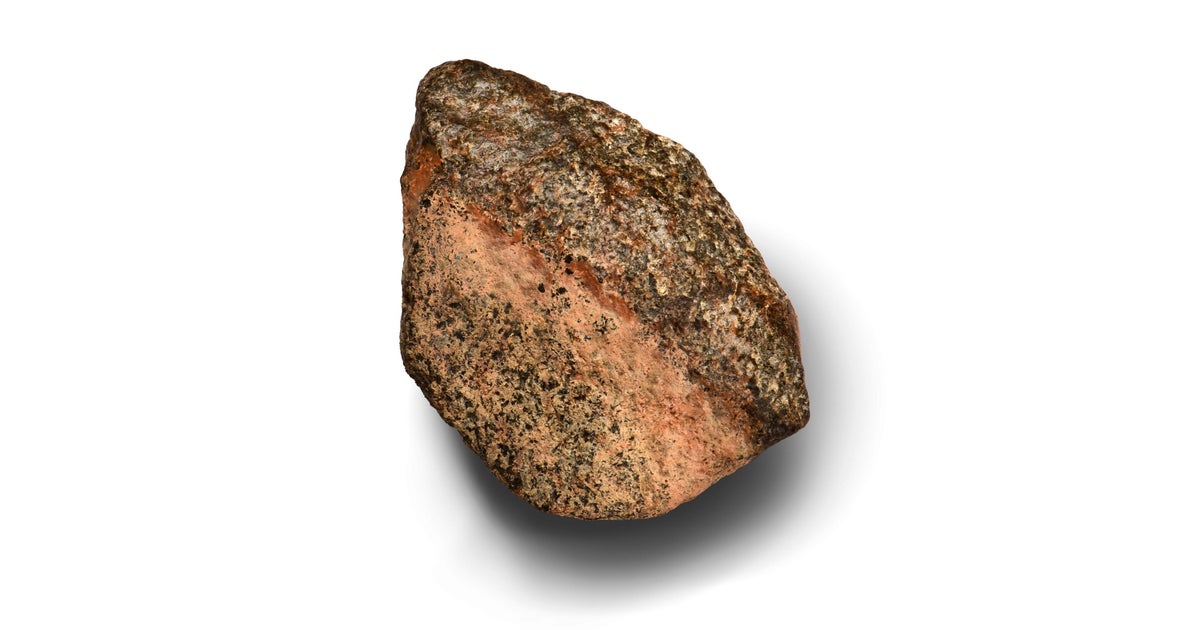
A nearly two-pound rock found in Mali is one of the three oldest Martian meteorites ever identified, according to a NASA-led study.

A Max Planck-led study found leaders and high-ranking chimps report more risk tolerance, but researchers caution the data cannot prove cause and effect.

Phys.org has published a Q&A on using deep learning to improve air quality monitoring with satellite data, though full details were not available.
Researchers at OIST and partner institutes found that dense protein environments can raise enzyme activity, which in turn makes droplets flow more freely.

Astronomy.com's sky report for Friday, October 30, notes Mars closing in on the constellation Leo.

A year-long field study in London found gardens with hedges and dense planting had up to 80% less particle pollution than paved ones.

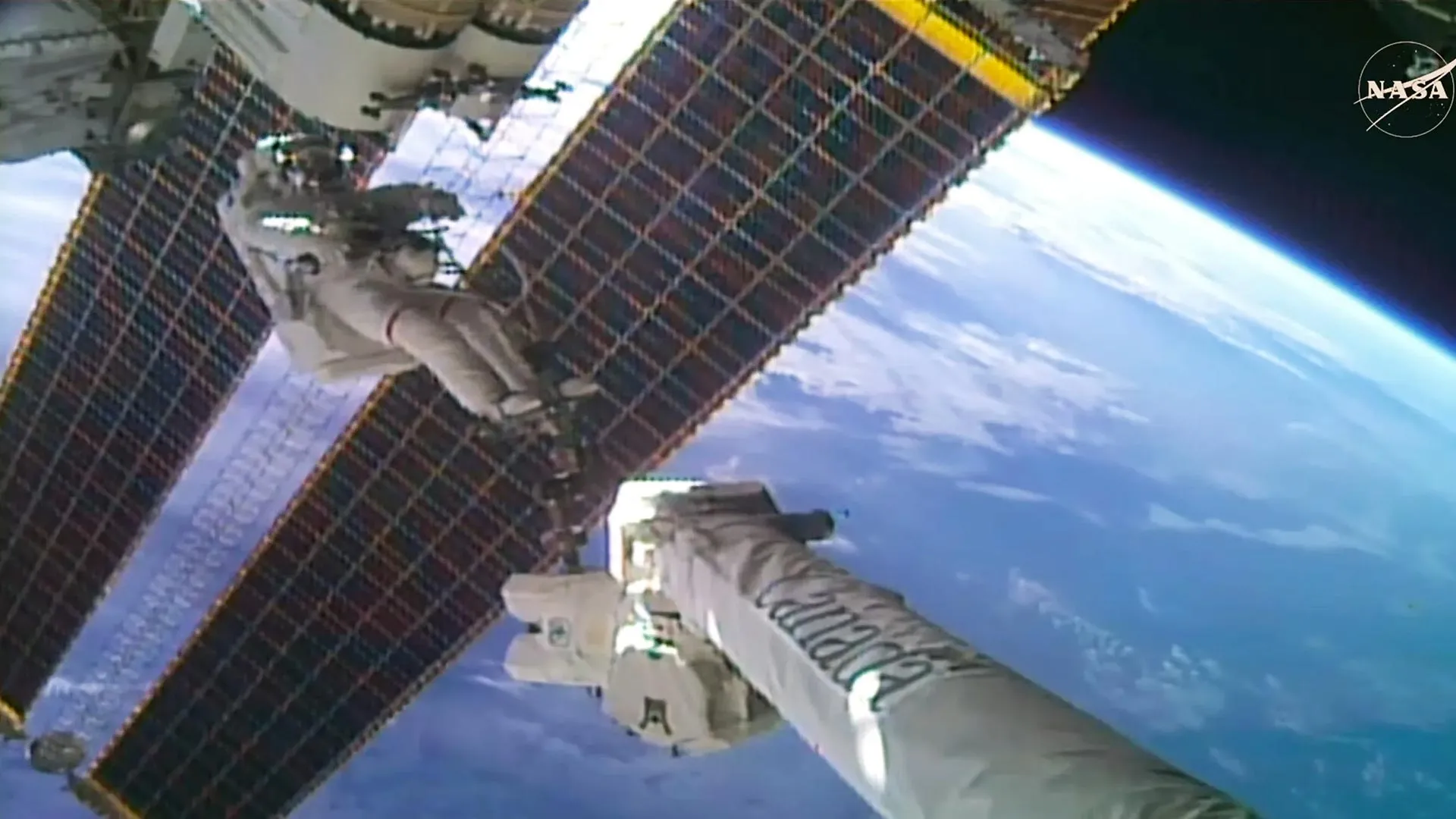
Anil Menon and Joshua Kutryk completed a 7-hour, 11-minute spacewalk to install a new roll-out solar array, the seventh of eight planned for the ISS.
Page 8 of 27